7 Whisky glasses you should know about

Are you choosing the right whisky glass

Whisky may have originated from the British Isles, mostly Ireland and Scotland but it is an iconic spirit enjoyed around the globe. Because whisky is now made and enjoyed so widely, everybody has their favourite style and way of drinking it. One of the most basic but important choices people will make is the glass they’re drinking from.

Each whiskey glass has its own story and everybody has a reason for drinking out of their preferred glass. There are many types of glassware to drink whisky out of but you could narrow it down to seven basic shapes.

The Rocks Glass

Also known as the tumbler or lowball glass, this is the one most casual whisky drinkers will know about.

The rocks glass originates from Ireland and Scotland where whisky was originally made but they weren’t made from glass. Alcohol was drunk from a quaich “quake” which was more of a drinking bowl with handles on the sides.

High-class individuals used to engrave their glasses with their family crests which is still done today. This trend is still popular with all kinds of brand engravings and beautiful imageg, no matter the material they’re made of.
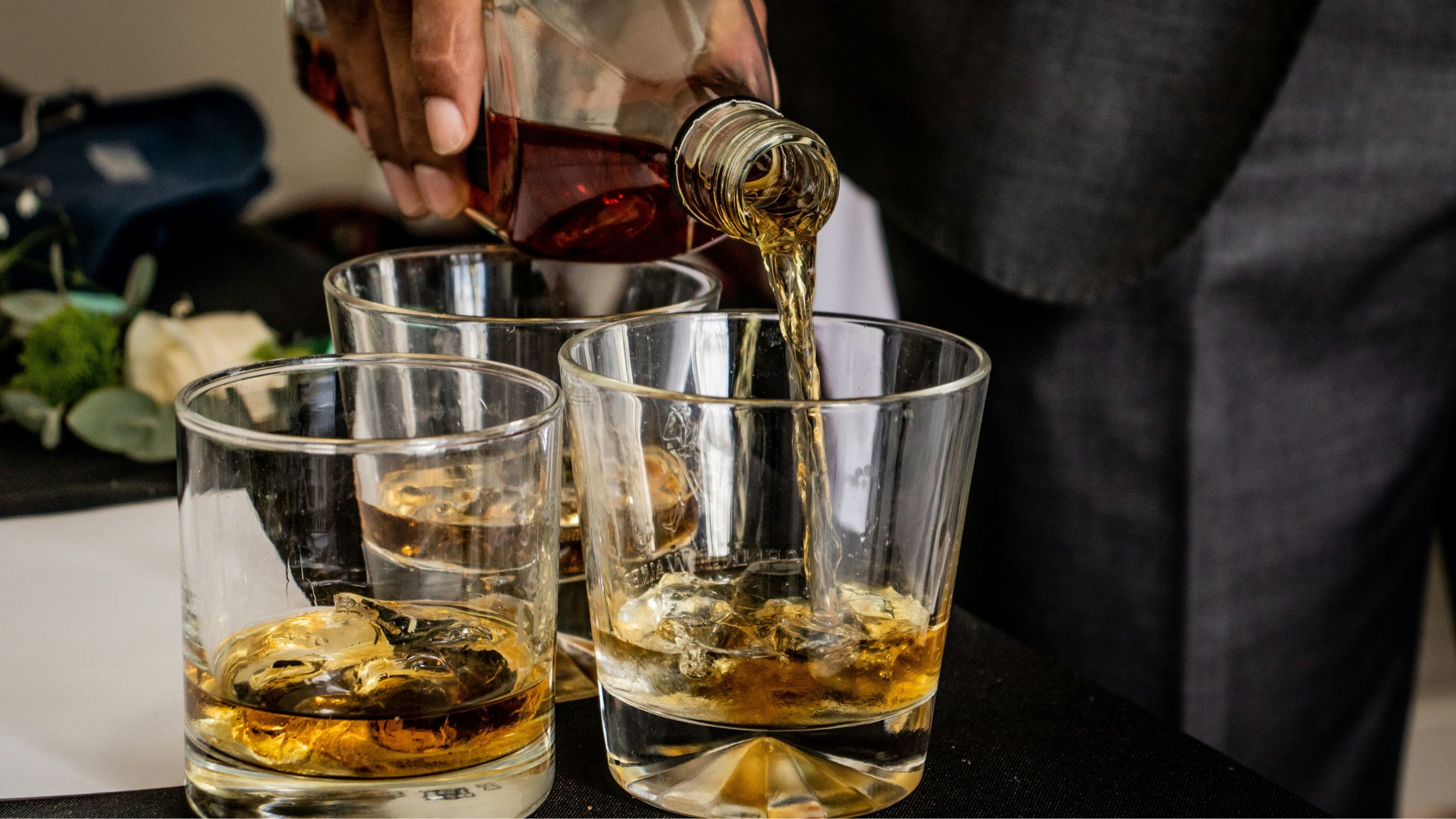
whisky being poured into a rocks glass with ice
Do you like having your whisky on the rocks?

The rocks glass is named as such because it’s one of the best glasses to enjoy your whiskey with one or a few blocks of ice. It’s also short and flat, which makes it look like there’s more in the glass which is more appealing. It’s also not going to be knocked over. It’s also called an “Old Fashioned” glass because it’s used to make the classic cocktail which has few ingredients but makes the glass look full and the drink appetizing.

The tumbler is seen as a high-end but inexpensive whisky glass, making it the perfect all-rounder, no matter your financial situation.

The Highball glass

The tall rocks glass, the highball has its origins in the USA on trains and at golf clubs. It may still have originated from Irish settlers.  The highball is a tall rocks glass but they can be narrow, wide, very tall and shorter.

This glass is more commonly used from all kinds of cocktails, especially when more ice and mixer is included. The layers of ingredients and garnish shine with this style of glass.

Highball glass whisky cocktail
Do you like your whisky as part of a tall cocktail?

Here are 6 more things you didn’t know about whiskey

Bulbed glasses

If you want to drink your whisky neat, a bulbed glass is going to be your best bet. These styles of glasses were originally used by spirit makers, especially whiskey. This is because the bulb at the bottom of the glass captures the aromas in the middle and most of the alcohol harshness is pushed to the edges. The aromas are then funneled to the top of the glass and opens at the top. This is where you’ll spend your time smelling the whisky, exploring each aroma and finding the notes that tickle your fancy.

The Glencairn

The Glencairn was developed in the 1980s by whisky makers in Scotland and is based on the nosing cupita.

The glass has the classic bulb shape and opens slightly at the top to help you smell and capture the aromas. It has a short stem used to hold the glass so that your hands don’t warm the liquid too much.

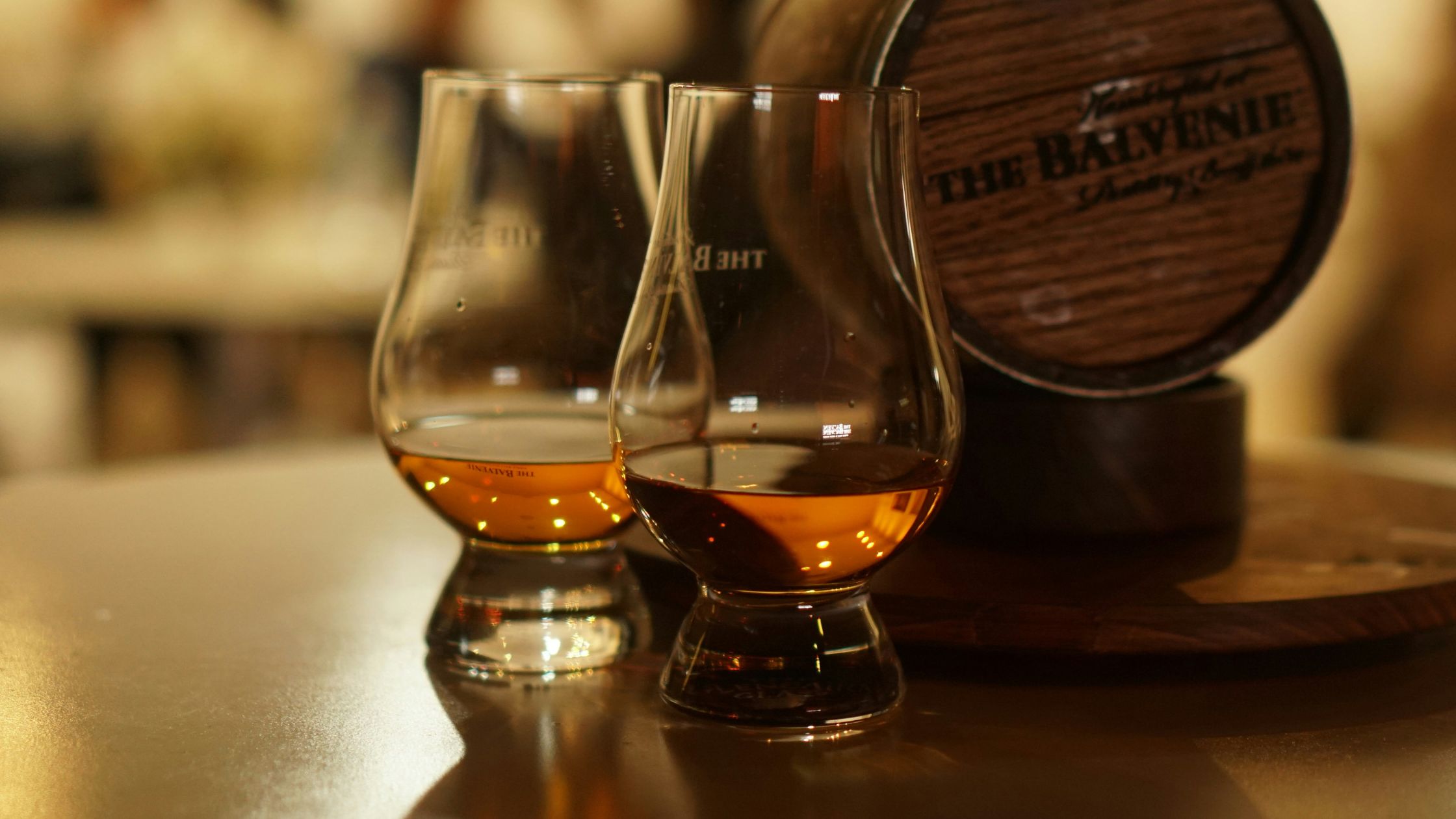
The Belvenie whisky barrel and Glencairns
Do you like a neat pour of whisky in the classic Glencairn?

Whenever you see whisky enthusiasts and connoisseurs enjoying whisky, this is going to be the most popular glass.

Canadian Glencairn

Similar to the original Glencairn made by Glencairn Crystal Ltd, the Canadian Glencairn is often slightly smaller and has no stem but a thicker bottom.
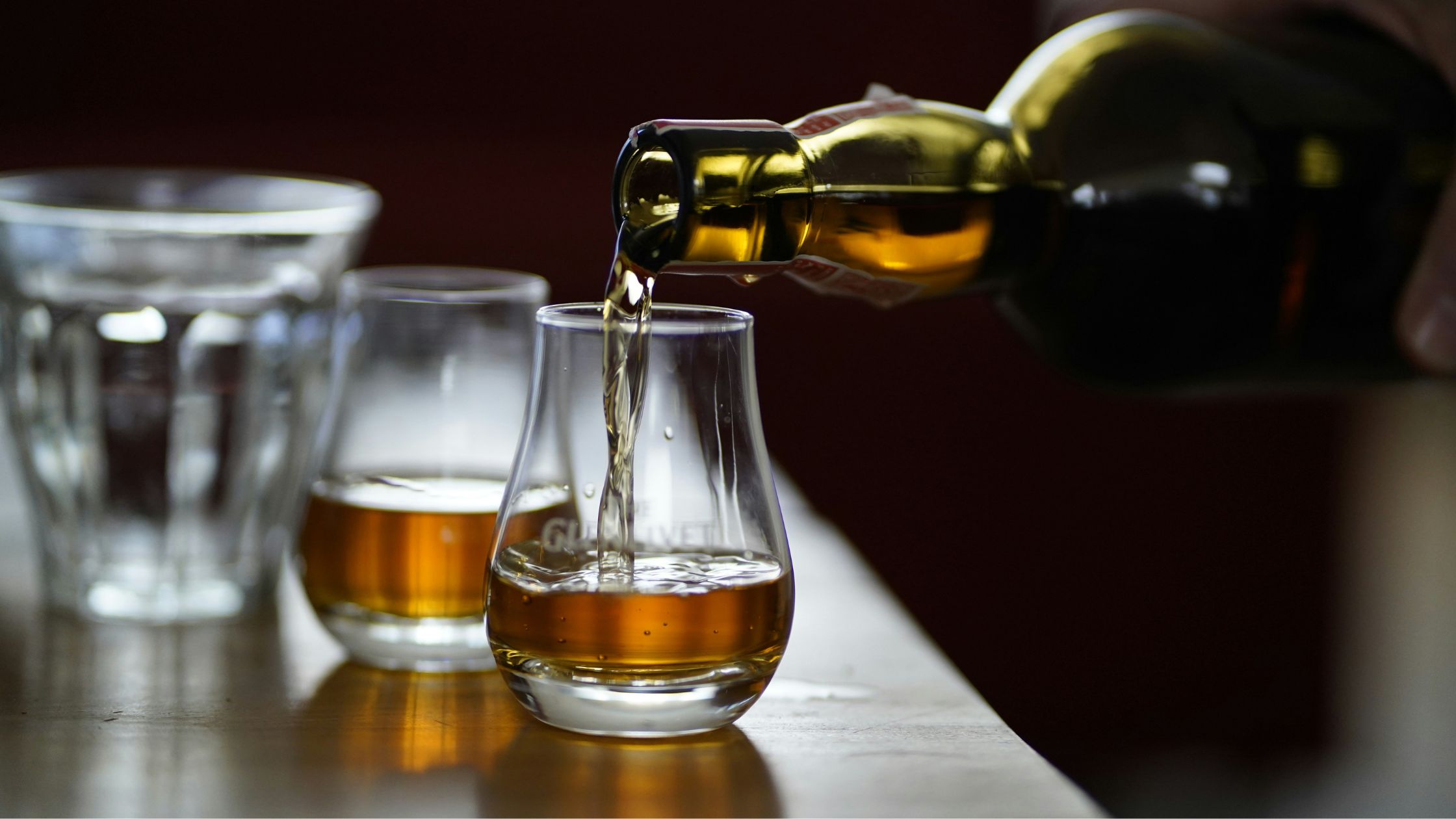
Whisky poured into Canadian glencairn glasses
Do you like a stemless Canadian Glencairn to explore your whisky?

The Cupita

The cupita, also known as a “shooner”, snifter or sherry glass is made for aromatic alcoholic beverages, such as sherry, port, aperitifs, and liqueurs. It looks very similar to a Glencairn but with a longer stem, similar to a champaign or wine glass.

The bulb shape can also look very similar to a Glencairn but can often be narrower.

This glass is most widely used by whisky makers due to the aromas being captured in the middle of the glass and pushed to the top for inspection.
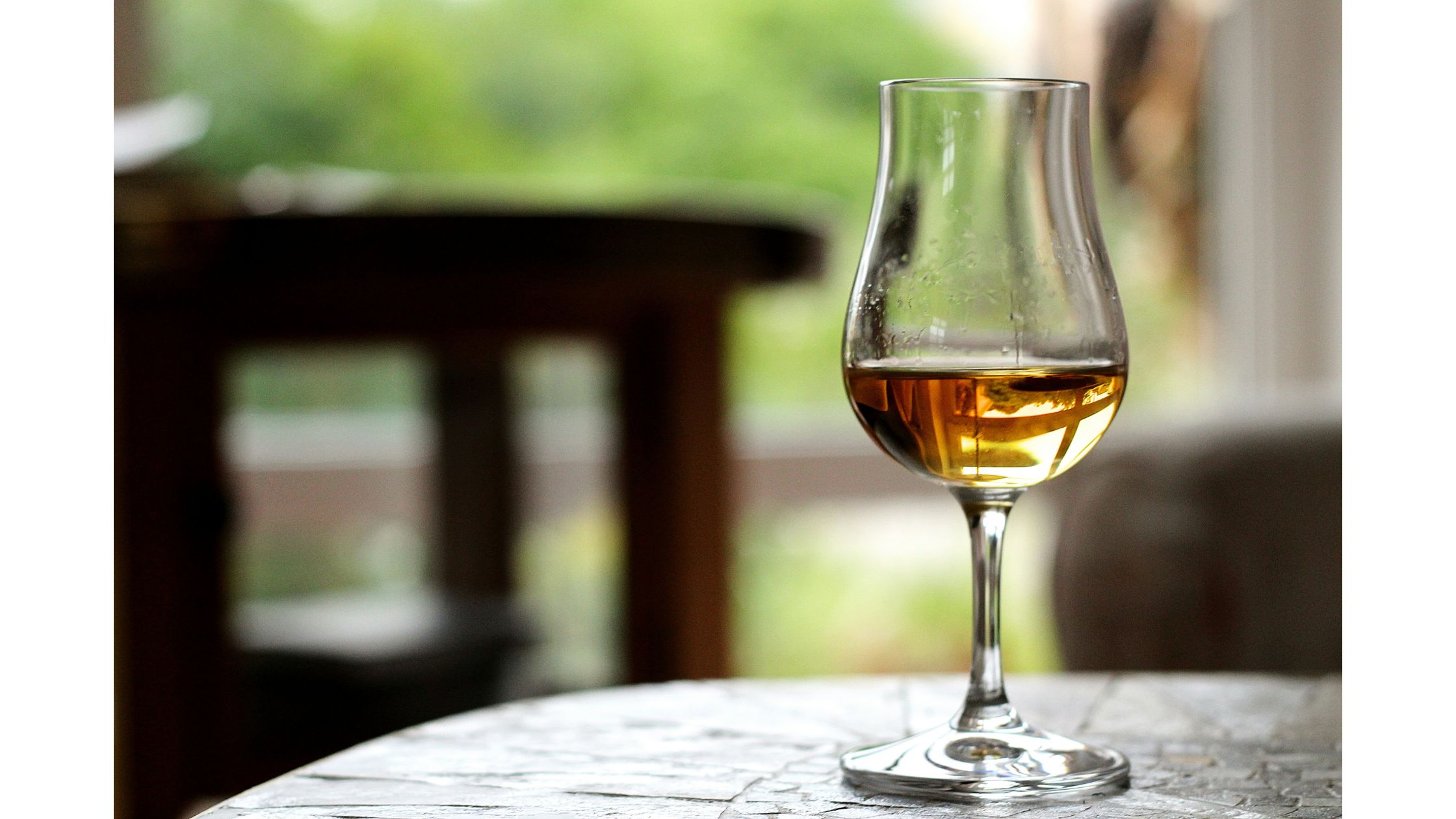
Cupita glass with whisky
The old-school cupita looks great and is still used by whisky makers.

These bulbed glasses can be made relatively cheaply with ordinary glass or from more expensive crystal with various different shapes and decorations.

The Snifter

The snifter looks like a Glencairn and a whine glass had a baby. It’s got a short stem with a wide bottom. The bulb is short and wide giving more space for the aromas to meld together.
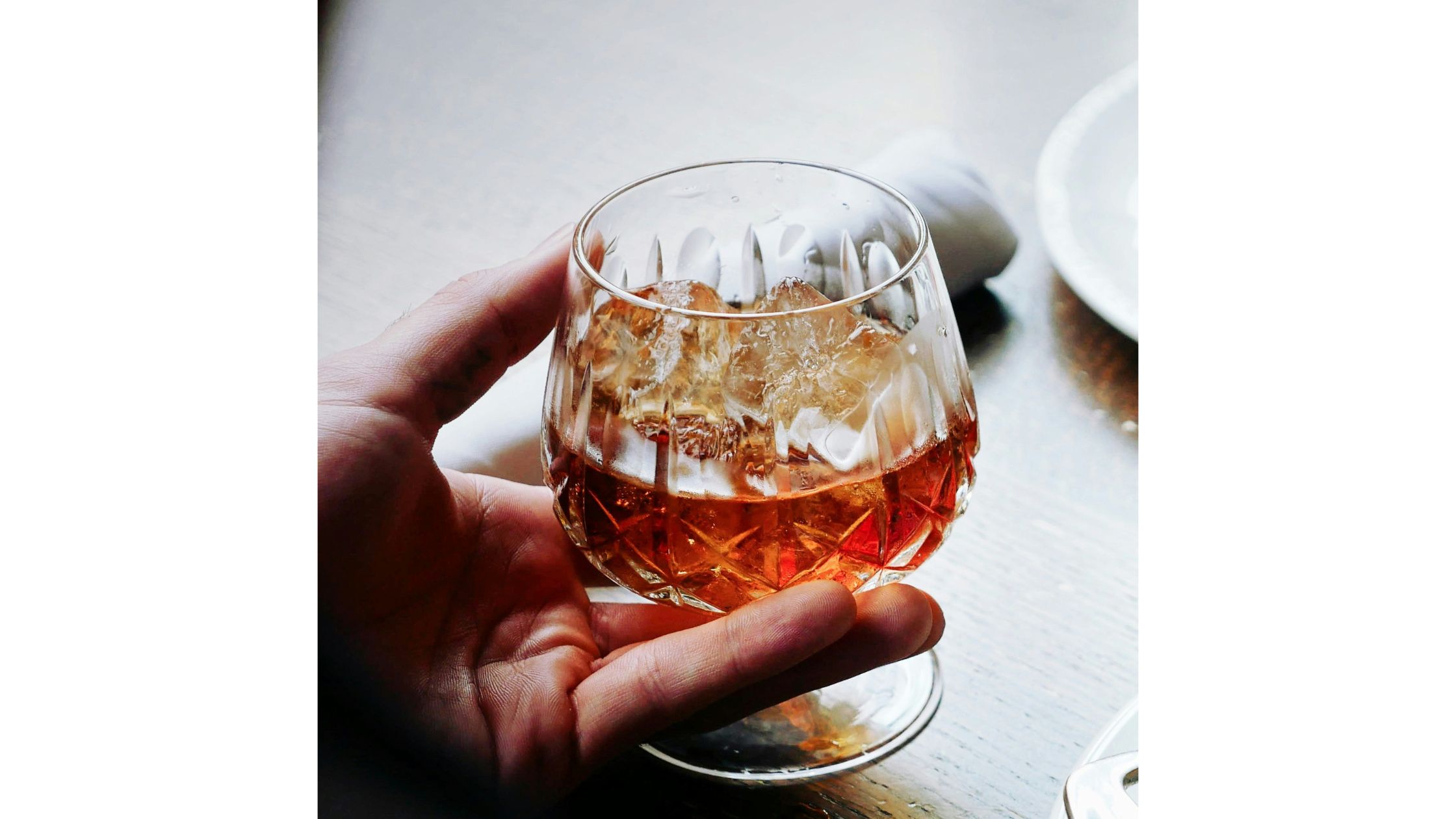
A cognac glass is also perfect for whisky
Let’s get super fancy with some crystal snifter glasses

The glass comes in smaller shapes but a larger version will look like a classic Cognac glass. They are also often made with more expensive crystal and beautiful shapes.

It’s another glass that’s perfect for neat pours but looks even fancier.

The Neat Glass

The neat glass is a very short bulbed glass but usually only has space for a single pour of whisky. The bulb is very short with the rim opening up relatively wide. It looks like a Glencairn was almost flattened. 

It’s a short glass that is perfect for tastings because they’re easy to measure small pours while having all of the benefits of the bulbed shapes like a Glencairn.
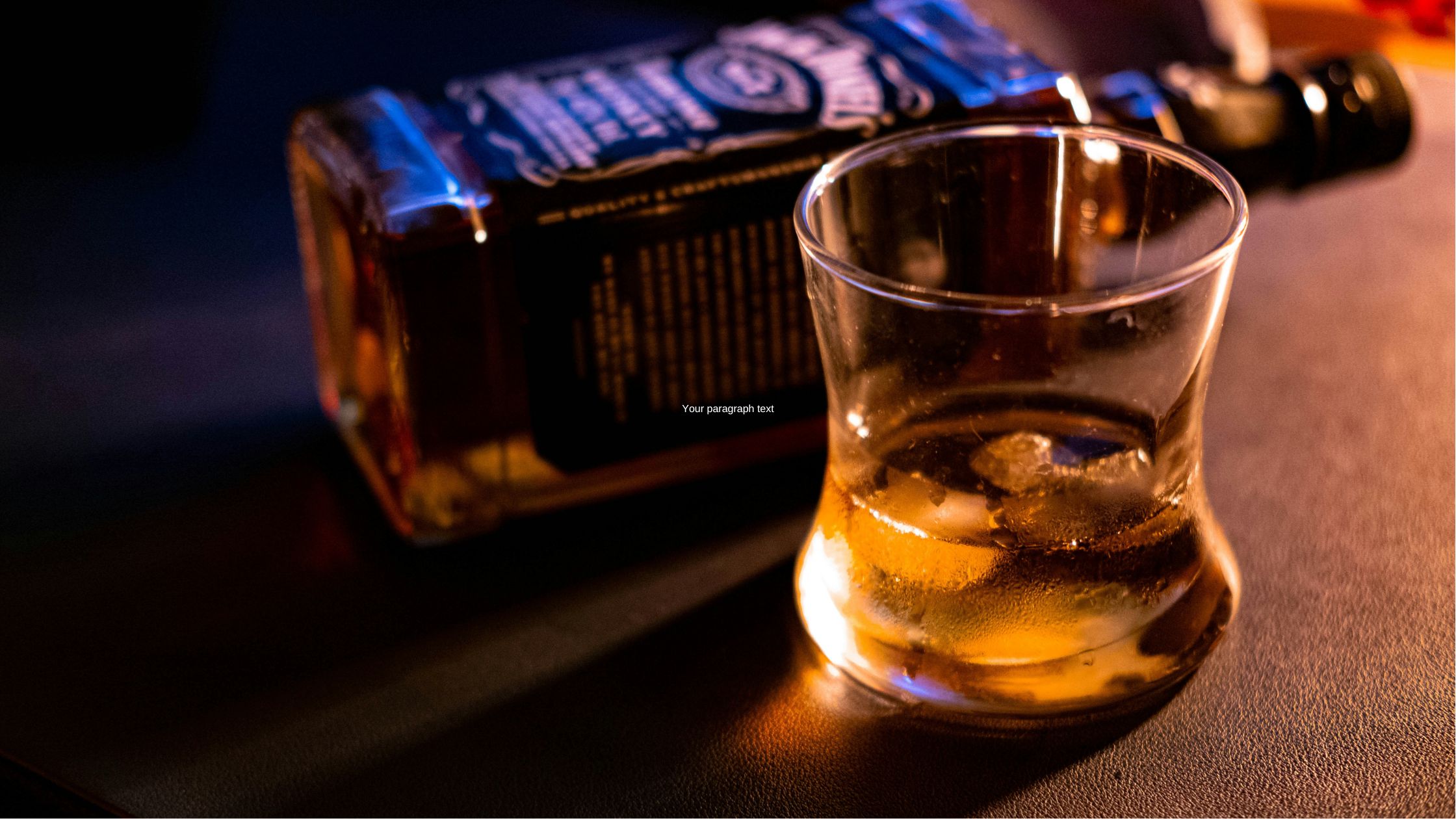
Whether you like your whisky neat, on the rocks or as part of a cocktail, your choice of glass will make a big difference.
Do you like it neat or on the rocks?

Do you spell it as whisky or whiskey? Read HERE!

Which glass is for you?

The first rule of whisky is that the best whisky is the whisky you like to drink, the way you like to drink it, as per the Whiskey Tribe. It means you should enjoy the whisky you like, whether it’s in a different glass, on ice or with mixers like cocktails.

If you are looking for a more casual drinking vessel that’s not just great for different pours but looks great and feels comfortable in your hands, it’s the rocks glass. If you prefer cocktails, you might like a coup glass or the highball.

When you want to enjoy whisky in its purist form, exploring the aromas and flavours, and maybe adding a drop of water, you would probably prefer the Glencairn variations, cupita and snifter glasses.

Enjoy your favourite whisky in your preferred glass and it’s always best enjoyed with great company.

How to taste your new and favourite whiskey

Friends drinking and tasting Wheel Horse Bourbon in different glasses

Whiskey is more than just a distilled and aged spirit; Distillers and their blenders put in years of expertise and work into making something unique that will stimulate the senses and give you an experience rather than just another drink. Whiskey makers use various kinds of grains and treat them in unique ways before starting the distillation process. The spirit is then put into specific barrels before being aged for several years and sometimes even moved to a different barrel to add some finishing touches. Then, the distillers and blenders pick barrels to create unique experiences in your glass.

With so many processes and skills going into an expression of whiskey, there are hundreds of different aromas and flavours you could find in each glass. There is no right way to enjoy your whiskey but there are ways to maximise your experience when it comes to smelling and tasting as much as possible.

Whether you’re on the journey alone or helping somebody experience whiskey for the first time, these simple tips can help you.

Let’s start with the glassware

Unless you’re making larger cocktails, there are two main glasses used to drink whiskey, the tumbler/rocks glass or Glencairn.

Rocks glass: This short and wide-bottomed glass is perfect for adding a couple of blocks of ice but many whiskey cocktails are also served in these iconic glasses. The flat bottom ensures that ingredients can be muddled and less diluted cocktails fill up the glass, making them look classy.

This is a versatile glass for many occasions but probably not the best when you want to explore the whiskey to its fullest extent.

old fashioned cocktail in rocks glass
The rocks glass or tumbler is perfect for adding ice or making a whiskey cocktail. Photo via Unsplash

The Glencairn: This bell-shaped glass is designed for tasting a distilled spirit. The glass has a very short stem and robust bottom with a wider bowl shape before narrowing and then opening slightly at the top. The bowl shape not only allows some swirling to open up the whiskey but channels aromas towards a narrowed rim.

The Glencairn allows perfect pours, looks classy, and is the perfect vessel for smelling, tasting, and exploring whiskey.

Two Glencairns of whiskey next to a The Belvenie barrel
The Gelencairn glass is perfect for a neat pour of whiskey. Photo via unsplash

Both the rocks glass and the Glencairn come in their own shapes and variations too, all of which can elevate your experiences.

Inspection

This step can seem a bit over the top, but we are often affected by visuals. Whiskies can have vast differences in colour due to casks and climate, so when you’ve got a line-up of whiskies, it can be fun to compare them.

The bowl of the Glaincairn is perfect for seeing the colours at different angles but is also dependent on the time of day or the room that you’re in.

Nosing

Your olfactory sense (sense of smell) is more powerful than taste, so nosing/smelling your whiskey is where you’ll probably spend most of your time. Our sense of smell is also great at finding nostalgic memories to go along with the many aromas you’re about to experience.

First, you might want to think of the ABV or proof of the whiskey. If you’re just starting your whiskey journey, high-proof whiskey might just burn the hairs in your nose and sully the experience. Starting at a lower proof or alcohol percentage will help you experience the whiskey more comfortably.

If you’re new to nosing whiskey, start by holding the glass relatively far away, moving closer. If it starts to burn, just retreat a little bit until it’s more pleasent.

Remember to also keep your mouth open slightly and breathe in through your nose and mouth at the same time. The added oxygen circulation will enhance the experience of the aromas.

It’s not just about the aromas but about the memories they evoke. Whiskey has a way of letting you experience nostalgia, so don’t just think about specific ingredients, but memories. It might be a specific leather chair belonging to your grandfather or gardening with your parents. Spend time with your whiskey and discuss it with those tasting alongside you. You might find that talking about it can help you find notes that you’ve not found before, even if it’s a whiskey you’ve had many times.

Palate

After spending as much time as you need on the nosing, it’s time to taste. One way to not only get flavours but deal with the proof is by dipping very lightly like drinking hot coffee. The addition of air helps you experience what you’ve smelled already (also known as ‘retronasal olfaction’).

However, mouthfeel might be what you experience first as you sip. How does the liquid feels on your tongue and against your very sensitive cheeks? Don’t swirl it at first but let it linger on the tongue. Pay attention to how the whiskey feels in your mouth. Is it soft and creamy or is it direct and spiky? Is it drying or refreshing? These feelings might change to flavours, some of which you’ve smelled, like fruit, types of grass, or a variation of smoke.

Whiskey can develop over time, so don’t rush for another sip but experience, discuss and explore.

The Finish

When you’re ready to swallow, think about the journey. How long can you feel or taste it as it goes down? How long can you sit with the flavour until you’ve experienced how it develops on the palate? Did the experience disappear quickly or can you sit back for a while before needing another sip?

Some final tips

  • Add water: Drops of water not only bring down the proof for those struggling with the “burn” but can highlight different aromas and flavours.
  • Write it down: Write down what you’re smelling, memories you’re experiencing, and notes that you’re tasting. This can help you eliminate what’s already there while finding something new.
  • Smell your elbow: Especially when you’re tasting many different spirits, your senses can get overwhelmed. You’re so used to your smell, that sniffing the inside of your elbow can help reset your senses with a neutral smell.
  • Enjoy with friends: Share your whiskey! Introducing friends to your collection or reminiscing about the memories you share can be a powerful experience. Whiskey is best enjoyed together.
A line-up of different whiskies to be shared with friends
Share and enjoy your whisky with your friends. Photo via Unsplash

There is no RIGHT way to taste whiskey

These helpful tips are not the only way to taste whiskey. You can and should enjoy whiskey in the way that makes it the most comfortable for you. Whether you follow these tips to the letter, add some snack pairings, or combine everything you’ve learned from this and other resources, enjoy the time tasting whiskey.

You don’t even need to agree on how to spell whisk(e)y