The Helden Distillery World Whisky Day tour is a crafty one

Helden Distillery and Restaurant

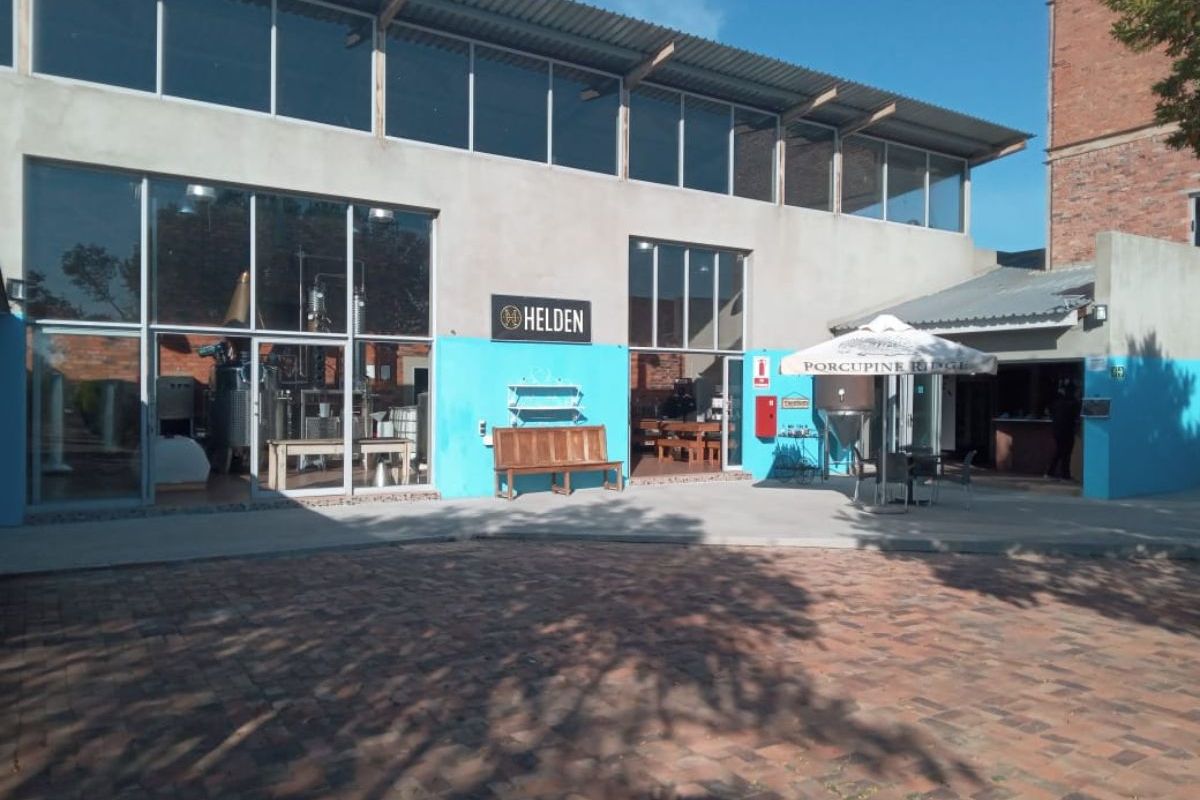
On Saturday 18 May 2024, the Whisky Express went on its first distillery tour to one of South Africa’s newest and most innovative distilleries, the Helden Distillery & Restaurant. As part of World Whisky Day, a celebration and appreciation for the amber spirit, founder Pieter van Helden treated guests to a bespoke experience.  

The Helden Distillery is located in the Vredefort Dome, the world’s largest meteor impact site, and less than a two-hour drive from Johannesburg. This UNESCO heritage site is an example of the natural wonder South Africa has to offer, providing the perfect picturesque backdrop for creating unique South African spirits. The distillery is located just outside the Free State town of Parys and forms part of their brewing partner’s grounds, The Dog & Fig Brewery.
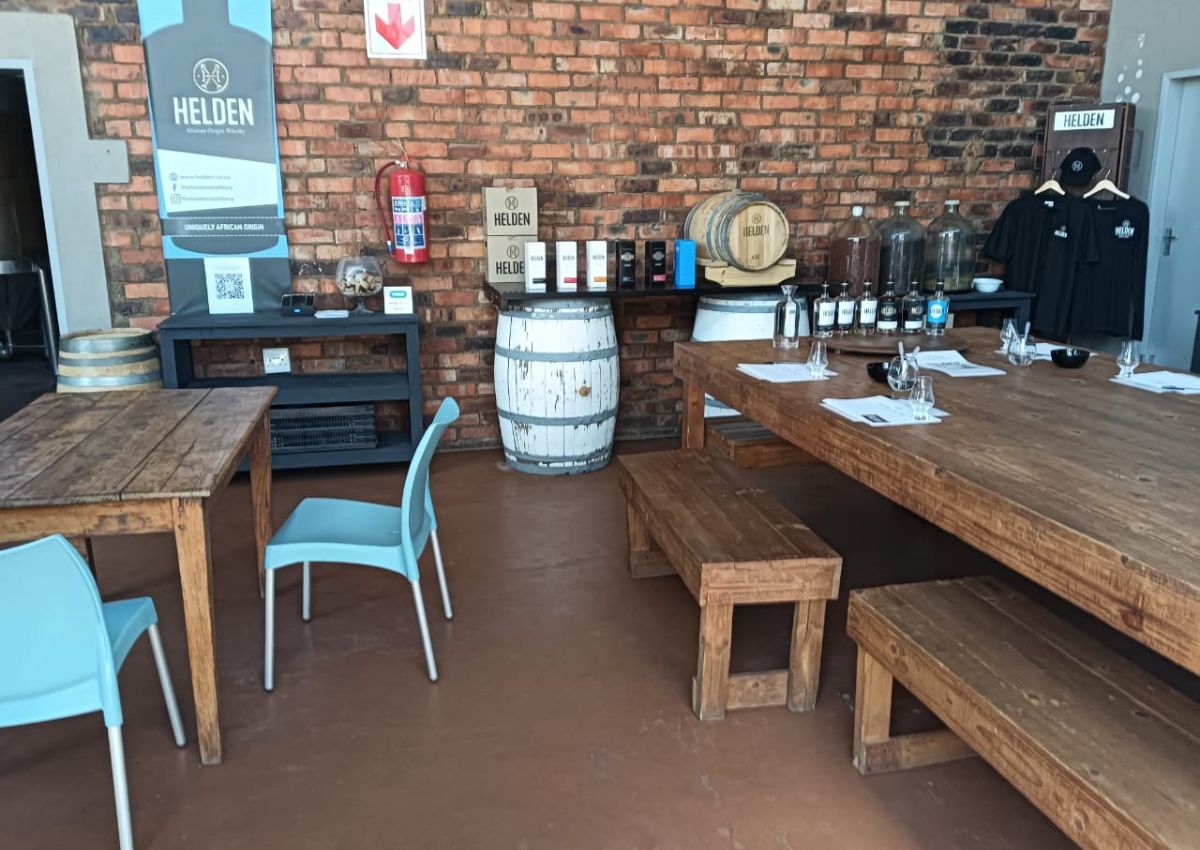
Helden Distillery tour and shop area
Helden Distillery welcomed everybody with a beautiful set-up.

Pieter van Helden is the founder and Lead Distiller honed his craft with distillation for over 20 years before the foundation of the Helden Distillery in 2018. Pieter invited a small group of four people to have a seat before the tour began to tell us about the short but impactful history of starting his distillery. While pouring each of us a glass of his single malt spirit, we were told about his various credentials in chemistry, including a Doctorate, and his love of South Africa.

The Helden Distillery Tour

The real tour started with telling us about his use of South African barley and red sorghum, a grain not known to form part of whisky. Taking us through his milling, drying, and fermentation process, everybody got to smell the grains at various stages to pair with what we already had in our glasses. We were then taken to the unique still where we were introduced to his specialised hybrid still where we learned about the process of the mash being turned into vapour which then turns into the spirit. Van Helden was impressive at teaching the basics of distillation, how cuts work, and providing us with more detailed information when asked questions. With my limited knowledge and the questions asked by a chemistry student who was part of the group, this informative section was just the start of the fun to come.

The heart of the tour was about to begin in the cask storage room. Snacks and Glencairn in hand, we entered the small room of Helden-branded casks.
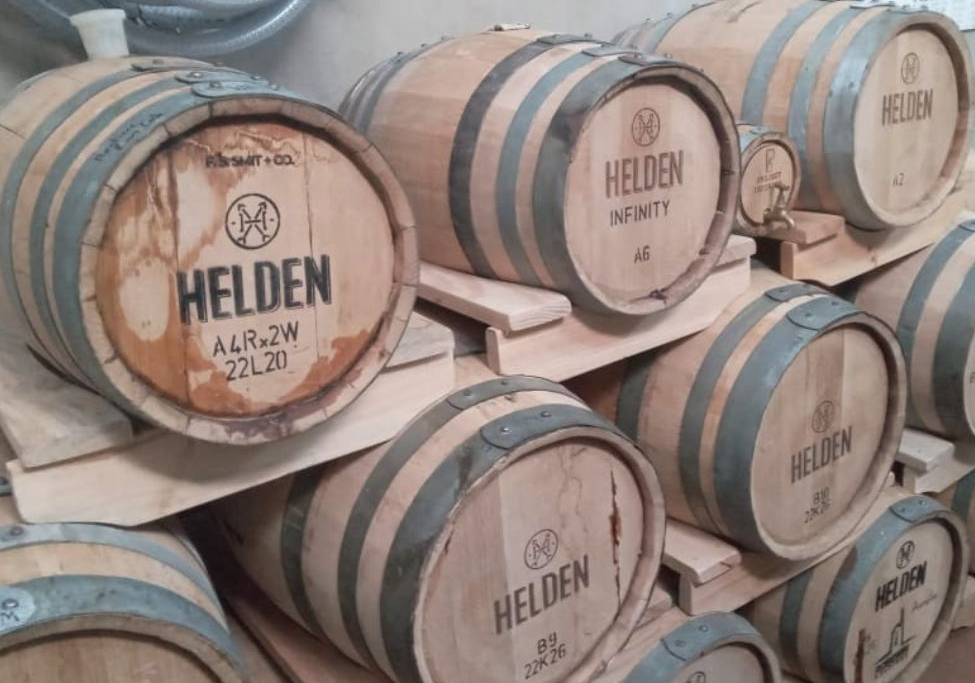
Helden Distillery oak casks
Helden Distillery uses unique French Oak and American oak hybrid casks.

We were introduced to the unique oak casks made specifically for the Helden Distillery. These 100l casks combine the best STR (shaved, toasted, and charred) ex-red wine French oak staves and new American oak heads. These unique casks together with the proprietary yeast and grains used in the mash, form the flavour profile of the unique single malt whisky.

It was time to taste what all of these uniquely developed processes turned into.

The cask thieving

After a lesson on the angel’s share and evaporation in warmer climates like South Africa and Texas versus the cooler weather of Scotland, it was time to taste.

The first two casks were an example of the single malt spirit which were aged just a few months apart but provided very different flavor profiles. We were taught how to bring down the proof of the 64%+ ABV (alcohol by volume) by adding water while nosing and tasting each progression. Together with the paired fruit and chocolate, the spirits were discussed, finding different flavours and experiencing some that had never been tasted before.

We also had the opportunity to try a whisky aged in an ex-rum cask, an experimental whisky that forms a major part of what the distillery specializes in. We also had the opportunity to find out how certain casks are “seasoned” for future whisky maturation before being able to choose which cask we would like our gifts to come from.

Helden Rum cask matured whisky
Guests had the opportunity to try 4 different spirits directly from the casks.

The cherry on top

To end the informative and delicious journey through the unique Helden distillery and experiments, we had the chance to sit down and discuss what we learned. With a dram of our choice from any of the spirits and whiskies the distillery has to offer, we established that what was in the glass tasted like nothing we had ever had before. The experience was true, from the new-make spirit through their gin, single malt, and premium African Bonfire whisky.

Helden Distellery core range of spirits, whisky and gin
Helden Distillery has a range of innovative spirits, premium whiskies and even gin.

After the informative conversations, making new friends, and enjoying the setting sun, the food from the on-site restaurant was the perfect cherry on the perfect day.

The Helden Distillery & Restaurant also hosts two types of tours that don’t form part of World Whisky Day. You can either book a tour and tasting similar to what we experienced or a deductive tasting with your whisky-loving friends.

If there is one thing that is truly South African, it’s our love of the country and ingenuity that helps us create unique experiences you won’t find anywhere else. The Helden Distillery might just be the start of the new age of whisky in South Africa.

If you want to join The Whiskey Express, join our page HERE and join the Whiskey Express Community HERE!
Why do South Africans need to drink more peated whisky?

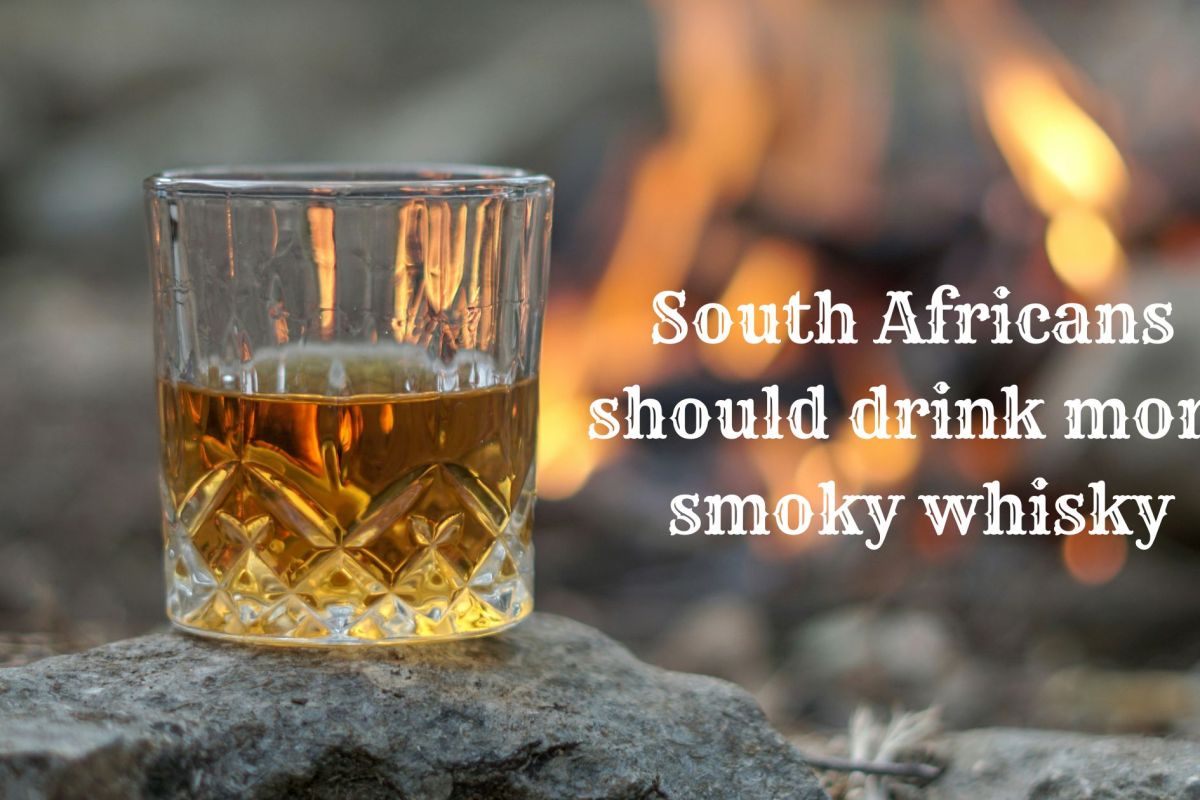
Glass of smoky whisky with a fire background

If there’s one thing everybody in South Africa knows about, it’s that one of our favourite pastimes is having a braai. Whether we’re camping or having friends and family over for the weekend, we love lighting a fire with charcoal and wood before cooking a variety of meat over the flames. At the same time, we’re often having some drinks with whisky, be it neat or mixed, as one of the popular options. However, you don’t see a lot of peated Scotch whisky on drinks tables or bars.

Peated whisky, especially Scotch is known for its hefty smoky smell and flavour that can either caress your senses or overpower your palate. But for a country that loves a braai day filled with fantastic smoky smells and flavours, peated whisky is not always accessible.  

What is peat and how does it impact whisky?

Peat is a spongy material formed by the partial decomposition of organic matter, primarily plant material, in wetlands such as swamps, muskegs, bogs, fens, and moors. It’s formed over thousands of years and compressed. Beyond its considerable ecological importance, peat is economically important as a carbon sink, as a source of fuel, and as a raw material in horticulture and other industries. Like the whisky industry in Scotland and Ireland.

Peat is often used for fuel and fireplaces but when whisky makers wanted to dry out their barley before making their single malts, they used something widely available and known for burning well. They discovered the very different and much-loved flavours the peat smoke added to the spirit, and a whole new style was created. The more time the barley is exposed to the peat smoke, the more intense the flavour.

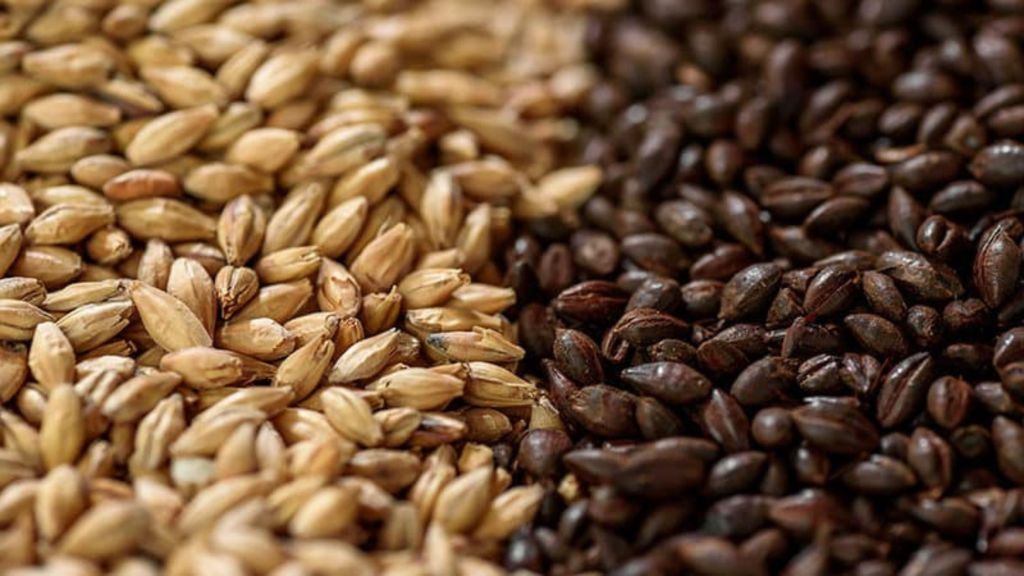
Light and dark Malted barley
Malted barley is the main ingredient in peated single malt whisky.

Peat on its own doesn’t taste of anything due to having a neutral PH, but when it’s burned and used in whisky-making, provides subtle smells and often dominant flavours. On the nose, you’ll often smell burning wood and meat but you might also find fresh damp earth. When tasting, the smoky flavour can be overpowering, but you might find a meaty or protein flavour and mouth feel. Some malts may be light and oily, others rich and heavy, some fruity and spicy, others nutty or sweet. Everything individual distilleries use and the amount they use will change what you smell and taste, and you never need to worry about “being wrong” because everybody tastes and smells differently.

How do South Africans experience smoky whisky?

As mentioned before, South Africans often prefer drinking blended whisky instead of single malt, often due to price or what we add to the glass. That doesn’t mean that we don’t experience smoke in our drinks, but it’s often part of a blend, meaning it’s not going to overwhelm our taste buds. Some of our favourite “smoky” whiskies are expressions like Johnnie Walker Black, Green, and Blue Labels. These expressions often get their peated spirits from the Islay region but the underrated Cardhu (a key component of Johnnie Walker) also provides some smoke to some bottles.

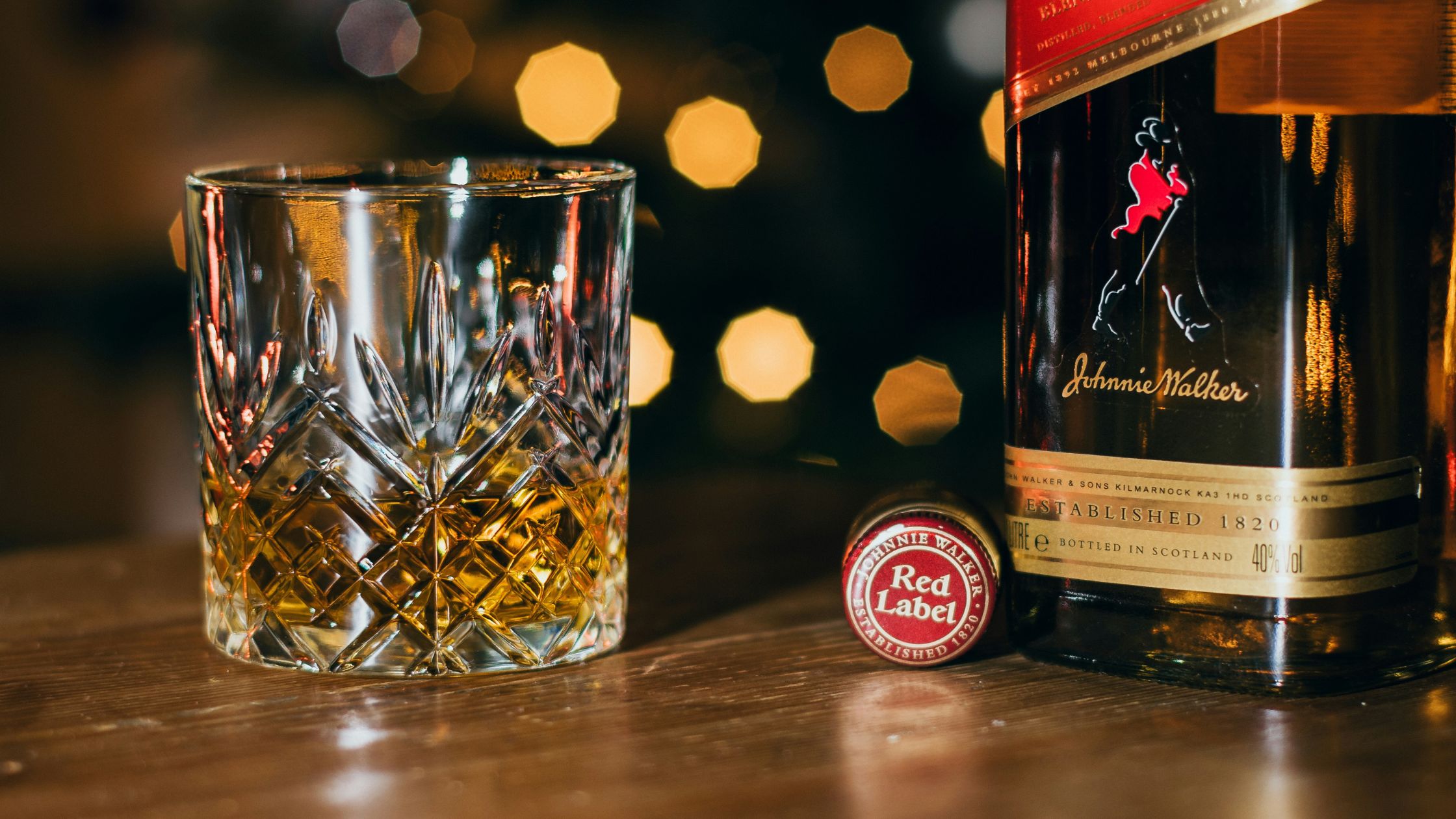
Johnnie Walker bottle with a glass full of whisky
One of South Africa’s favourite Scotch whiskies with a bit of smoke, is Johnnie Walker. Photo via Unsplash

In terms of popular smoky single malt, Lagavulin 16 year is high on the list thanks to celebrities like Nick Offerman with Highland Park 12, and their interesting bottle, on our shelves. But do they provide the flavours that pair well with a braai?

How can South Africans enjoy more smoke?

South Africans are a hearty bunch. So, when we celebrate, we often have a braai full of steaks, chops and boerewors. We can smell our neighbours doing the same thing, and that’s when we realise that we’re having a truly South African experience with friends and family. So, are there any whiskies we could add to our overall experience as we enjoy the conversation and the smells of wood fires with a range of meat on the braai?

Even though single malt can get quite pricey, many of the popular distilleries that specialise in peat have added more accessible bottles to their core range. A fan favourite, Ardbeg Wee Beastie, is a 5-year aged single malt that has a reputation for tasting like bacon being cooked directly on hot ash. If you’re in the mood for something similar but more complex and refined, Ardbeg Uigeadial, Bowmore, Talisker, or Caol Ila might be more up your street.

Ardbeg is popular for being one of the smokiest whiskies on the market.

But Islay isn’t the only popular smoky Scotch-makers. As Islay tends to specialise in the smoke, the Highland and Speyside regions often provide mostly non-peated Scotch with some peaty expressions to round out their ranges. Benriach Smoke Season has become more accessible locally with Oban and anCnoc from the Highlands providing something completely different.

If you’re a fan of smooth Irish Whiskey, you’ll be happy to know that they also provide some smoke to their single malts. A fan favourite, Connemara Peated provides your palate with wafts of smoke and some honey sweetness that would provide a great gateway to those unfamiliar with smoke. If you want to take it down another notch, try an Irish whiskey that only uses a small percentage of whiskey aged in a barrel that used to have peated Scotch, like Dunville’s 1808 which provides the idea of smoke without overpowering your taste buds.

Should South Africans enjoy more peat?

Even though my journey with whisky has barely left the station, as a South African who loves a braai with my favourite people, I think the answer is always “YES”.

We already have the foundation of enjoying the smoky flavours from bacon as well as chops & boerewors on the braai, peated whisky might just elevate our celebrations even more. We are a hearty nation that thrives under pressure and we celebrate our wins on days filled with fires that fill the neighbourhood with delicious smells.

 By adding the hefty levels of smoke from Islay to the nuances of Highland and Speyside sweetness or taking a smoother turn to peated Irish whiskey, you might just discover a whole new world to elevate your next braai.

Why do South Africans choose blended over single malt Scotch?

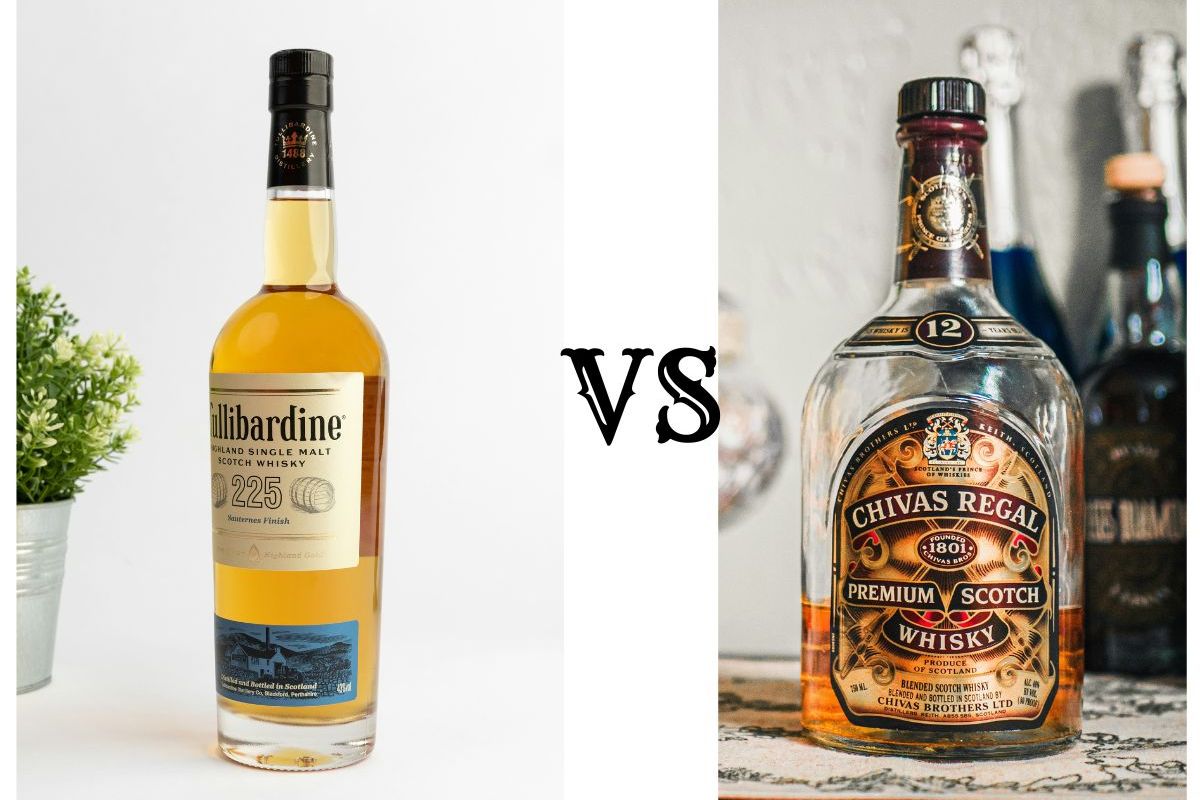
Single malt scotch vs blended Scotch whisky

While South Africa is known for beverages like beer and gin, we’re also experiencing a whisky boom, which is introducing more people to the historic spirit, whether just drinking it or distilling their own. However, it’s still not the most accessible drink, and price is often the barrier people can’t overcome.

Even though South Africa has famous local distilleries, Scottish whisky is the next popular option. Why do South Africans often prefer blended Scotch like J&B, Famous Grouse and Johnny Walker over single malts whiskeys like Glenfiddich and Glenlivet?

It could come down to cost, as blended Scotch is often cheaper, but why is that the case?

What does single malt mean?

A single malt doesn’t mean the whiskey only comes from one batch of spirits; it comes from a single distillery. Many of your favourite single malts are blended by an in-house blender from various barrels with different ages and often barrel types, but they are still all made at that distillery. The blender is highly skilled at tasting and blending to provide you with the best bottle possible, keeping a consistent flavour profile throughout the range and creating new ones. The “malt” refers to the malted barley used in the mash to make the whisky.

Single-grain whisky contains barley and one or more other cereal grains, usually wheat or corn. Single grain is, like single malt, is still made at a single distillery for your enjoyment.

What is blended Scotch?

Blended whisky still uses skilled blenders to source, taste and combine whisky barrels from various distilleries to create a specific flavour profile. It can often combine different grains like malt and wheat, specific barrel finishes from other distilleries, or even be as simple as combining different malts. There are thousands of barrels and whisky variations to blend so that a brander can provide you with consistent bottling for years or create something new for a particular release.

Brands like Johnny Walker usually focuses on creating the same range repeatedly with some special releases, whereas Compass Box has a wide range of different styles and keeps experimenting with new combinations more regularly.

However, the question remains why South Africans often reach for the blends rather than single malts.

Blends over Single malt?

Because single malts are made at the distillery, stored and perfected in one place, the production costs are much higher, which often means that the whisky will be more expensive.

Conversely, blends are sourced from two or more distilleries and blended, reducing costs as it’s not produced there.

Even though these blends can be from brands you expect to be more expensive, blends will often provide you with a blender’s years of perfecting their skills so that you can have something delicious in the glass.

That doesn’t mean all blends are on the bottom shelf. As whisky becomes more mainstream and experimental, the best blenders can create incredible expressions that can be higher in flavour profiles and price than many single malts.

Why do South Africans pick blends?

South Africa is hot, so we often reach for more refreshing drinks. Locals enjoy having whisky over ice or with a mixer to stay refreshed. Because the whisky is usually mixed instead of enjoyed neat, reaching for the cheaper blended option ensures you can enjoy it with a mixer without feeling like you’re sullying the more expensive single malts you save for special occasions.

Whether you drink your whisky neat, on the rocks, or in your version of a cocktail, the style doesn’t matter. If you feel that it complements the flavours for your specific palate, you’re going to have a good time.