Scotland might be a small country but they are one of the largest whisky producers in the world. They are at the top of the list when it comes to popularity around the globe. Unless you’re in another major whisky-producing country like America, the Scotch whisky selection is often the largest in the store; the same goes for their online shops. It can become very intimidating, and you might not find what you’re looking for or walk out without buying anything.
Understanding how different countries and stores categorize their whisky will help you narrow your options down to specific barrel finishes and flavours. Scotland would probably start with their regions or types, while American whiskey is often categorized first by type of whisky. Here’s how you can start finding the Scotch you’ve been looking for, especially in South Africa where options are varied and limited.
Region
Scotland has 6 major regions of whisky-making and is often the first choice when narrowing down what you’re looking for. These regions might be in a relatively small area but they often have vast differences in climate and other important environmental conditions known as terroir which can influence even the smallest details of the spirit. Even though the local laws don’t recognize them all individually, here are the six relatively distinct Scotch whisky regions.
Highland
This is Scotland’s largest scotch region, spanning from the northwest of Glasgow to the Northern islands. Whisky varies quite a bit across this region due to the area it spans.
The Northern regions are often categorized by richer, sweeter, and more full-bodied whiskies. The southern regions are known for their slightly drier, lighter, and fruitier expressions, similar to the Lowlands. The Western region, being closer to Islay might have more full-bodied and peated whiskies similar to the iconic island region.
Some popular Highland whiskies include:
Ardmore, Ben Nevis, Blair Athol, Dalmore, Dalwhinnie, Deanston, Glendronach, Glengoyne, The Glenmorangie, Glenugie, Invergordon, Loch Lomond, Old Pulteney, Teaninich, Tomatin and Wolfburn
Speyside
Speyside is often seen as a subregion of the Highlands but it has its special characteristics. It’s not only a small region but is one of the most densely-populated whisky regions in the world. It also gets its name from the River Spey. The region can thank its abundance of quality water from the river, which many distillers use in their malts.
You can often categorize the flavor profile with winter holiday flavours, like honeyed pears and apples along with other stone fruit. They are often known for their spice notes and of course sherry, due to the popular use of ex-sherry casks.
Some popular Highland whiskies include:
Aberlour, Aultmore, The Balvenie, Benromach, Cardhu, Dalwhinnie, Dufftown, Glen Grant, Glen Moray, Glenfarclas, Glenfiddich, Glenlivet, Linkwood, Longmorn, The Macallan, Speyburn, Speyside, Tamdhu, Tamnavulin, Tormintoul and Tormore.
Islay
If you’re looking for something smoky, this is probably where you want to be. Islay is an island off the coast of Scotland that’s known for its peated whiskies. Peat is made from plant material that’s compressed and decayed over thousands of years. It’s great for fuel and so, was the perfect substance to use in the malting process, giving whiskies their smoky flavour.
Islay whisky is known for being heavily peated, although Bunnahabhain and Bruichladdach also make unpeated malts.
Islay distilleries include Ardbeg, Ardnahoe, Bowmore, Bruichladdich, Bunnahabhain, Caol Ila, Kilchoman, Lagavulin, and Laphroaig.
Lowland
If you’re looking for something lighter and smoother, you might lean towards the Lowland expressions. Like many Irish whiskeys, many lowland malts and blends are triple distilled, giving it a “smoother” experience. Rarely peated, lowland whiskies are often used in blends due to their gentler flavours.
Lowland whiskies are known for being light, sweet, floral, and gentle. They’re often experienced as creamy and “like dessert”.
Some popular Lowland whisky distilleries include:
Aerstone, Auchentoshen, Bladnoch, Bonnington, Borders, Daftmill, Eden Mill, The Glasgow Distillery, Glenkinchie, Holyrood and Kingsbarns.
Campbeltown
The smallest whisky region is also often known as the home of whisky. The region doesn’t form part of Islay but the distilleries here are potentially what inspired the region. These whiskies are briny, smoky, oily, and very hearty. You might find toffee, vanilla, and baking spice notes here too.
Distilleries include Glen Scotia, Glengyle, and Springbank.
The Islands
Scotland has many islands surrounding it, forming part of this great whisky nation. The peat found here tends to add more aromatic notes to their whiskies than in the Islay region. This region is also becoming more popular, providing the perfect start for younger distilleries.
Distilleries include Abhainn Dearg, Arran, Highland Park, Isle of Raasay, Jura, Scapa, Talisker, Tobermory, and Torabhaig.
Scotch whisky type
There are many types of Scotch whisky being made but single malt is often seen as the pinnacle with single grain and blends lower on the list. However, as whisky becomes more specialized, blending houses are becoming very popular.
Single Malt
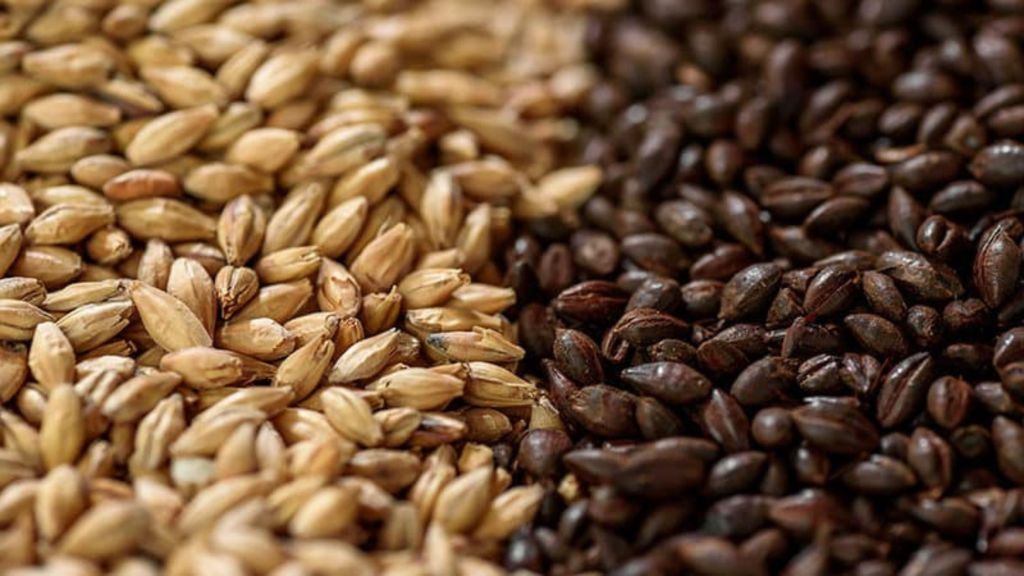
Single malt whisky often confuses with how it’s categorized, but here’s the deal. Single malt whisky needs only three ingredients, malted barley, water, and yeast. It’s also only allowed to be made and bottled at a single distillery.A single malt whisky can include whisky from various barrels and maturation ages, as long as it adheres to the above rules.
This style of whisky often presents more woody and oaky, and full-bodied, with a more “smooth” mouthfeel. Single malt isn’t usually smoky but some might experience more wood char in its place.
Single Grain
Single-grain whisky contains barley and one or more other cereal grains, usually wheat or corn. Single grain is, like single malt, still made at a single distillery for your enjoyment.
This style of whisky is often sweeter and has a lighter body to it.
Blended Scotch
As whisky becomes more popular, whisky-makers are getting more adventurous and experimental with what they can accomplish. Even though blended whisky is often turned away, you should give it another chance.
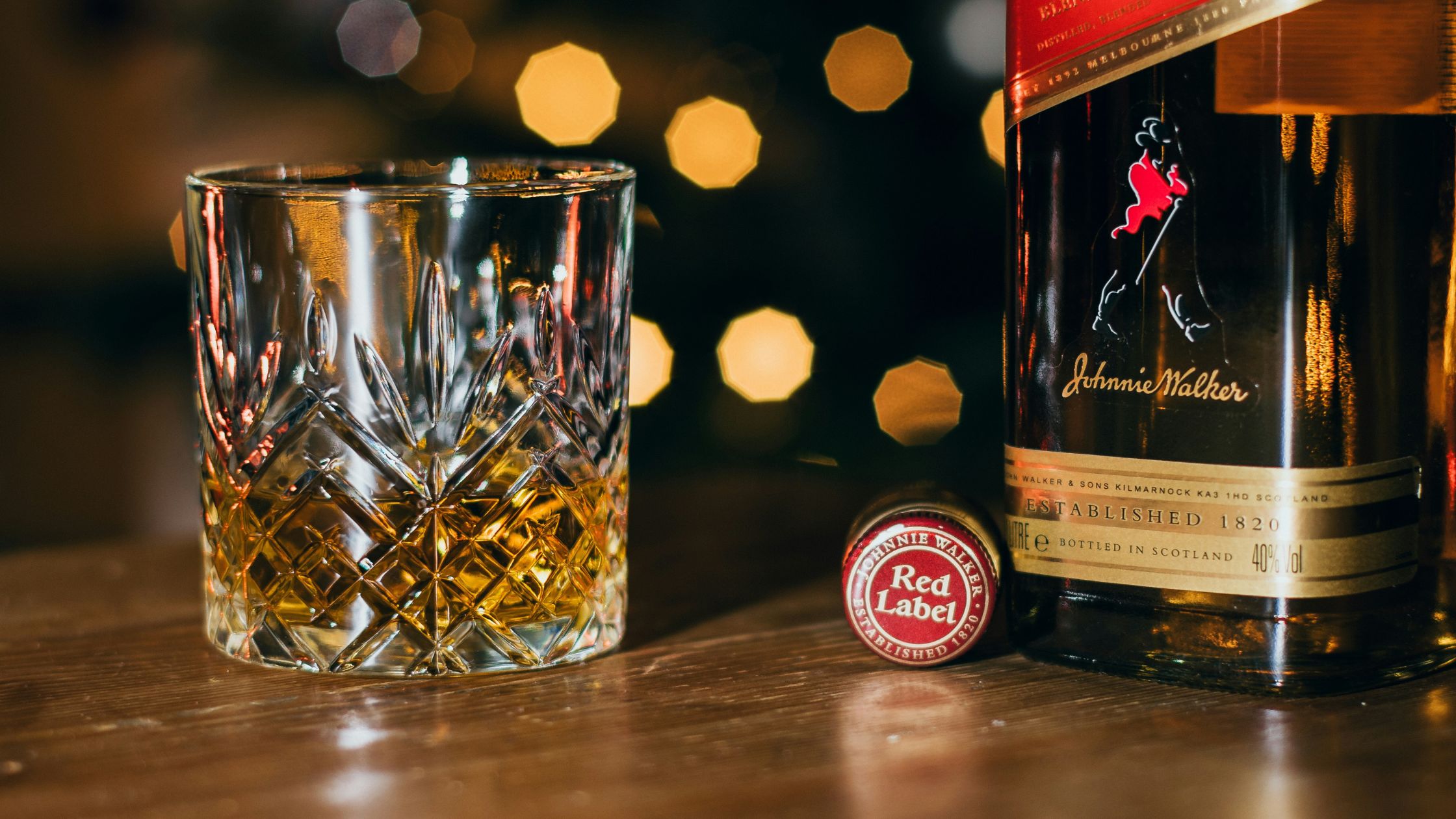
There are specialized blending houses like Johnnie Walker and Compass Box that put in many hours with years of experience, and tasting thousands of whiskies from various barrels to create special expressions and releases.
You can also read my article about these differences in more detail, HERE.
The age of whisky
Especially when buying gifts, you’ll see a label with the age expression on the bottle. This number represents the youngest whisky in the bottle. The maturation age confirms the length of time that whisky was kept.
Aging whisky was done completely by accident. After the spirit was made, it needed to be transported, so barrels were used. Some of these even contained fish at some point. Depending on the amount, they were stored and often forgotten about before somebody opened it up and realized the flavour had changed.
You might think that the bigger the number, the better the whisky, but this isn’t necessarily true. Sometimes, the whisky just didn’t have the characteristics they were looking for until a certain age or they eventually just used the older whisky to blend to add something different to another expression.
Don’t let the number on the bottle fool you too much but we can’t deny that seeing a more matured whisky looks great on the shelf.
If you’re in South Africa, you’ll find hundreds of different bottles of Scotch on the shelves or online, even with a limited range compared to where it’s made in Scotland.
Finding your favourite whisky is a journey, so starting to filter them out can be daunting. Together with regions, distilleries, and even specific expressions, you can start the search more easily.

 Cyclops Creative