Game subtitles and how they impact your immersion

Playing games with subtitles for immersion

Games across all platforms have various accessibility options these days but they don’t always have all of the same ones we think are important. However, the option that’s pretty universal, and usually set as default, is subtitles. All of the speech, whether narration or scene dialogue, in the text isn’t just for those with hearing impairments.

As games have become more accessible to more people, we realise that subtitles play a larger role in immersion in games for more reasons than you might think.

Who uses game subtitles?

Hearing impairments

At the most fundamental level, those with hearing impairments, like deafness, will always have subtitles turned on to follow any dialogue or narration happening on screen.

Did you know that they aren’t the only people who have auditory processing issues?

On the autism spectrum, some have trouble processing sound in different ways. Some people may have an issue with sudden and loud noises that could trigger them. Some have issues with delayed auditory processing where they may miss words or entire lines as they play games or watch TV.

Visual Impairments

You may think that if you’ve got a visual impairment, you won’t be reading much on screen, but we have subtitles on for different reasons and in different ways. Even those with visual impairments might prefer playing a game in the original language and won’t understand it.

Playing a game in the original language to stay as immersed as possible is usually the priority. It’s not just about having subtitles but being able to adjust the size and colour contrast.

For those with visual impairments, the main option will almost always be text size. However, changing the color for better contrast and even adding a background color to enhance it even more will come next. For those who are colour blind, subtitle colour will also need to change, especially in different environments.

Paying attention

It’s not just the younger generation who has issues with paying attention these days. Technology is all around and it has had an impact on our attention spans. Some people may have some form of attention deficit disorder, autism, or auditory processing issue which can pull their attention in many different directions.

Adding subtitles to the screen can help you stay focused by forcing you to read as you play so that you don’t miss anything in the story. Maybe play the game in the original language like a JRPG in the original Japanese so that you have to pay attention to what’s written and happening on screen.

Many people are double-screening these days, so keeping subtitles on will keep your attention on the game instead of your phone or TV.

Gamers with busy households may also have issues with paying attention to their games. Whether it’s the kids, housemates, family, or LAN friends, having subtitles on will keep you focused on what’s in front of you.

Sound mixing

This one is on the developers. It’s not just movies that have this trend of having actors seem like they’re whispering and then blowing your eardrums with explosions and sound effects. Games are following the trend of very quiet voice acting with the game sound effects being much louder, so you turn it down. It can be especially frustrating with the accents of the voice actors, making it even harder to hear.

If the game doesn’t have options to lower sound effects and increase speech audio, having subtitles on will help you follow dialogue while the master sound is turned down.

Streamers

Some people enjoy watching others play games. Many streamers want their entire audience to feel included, so they turn on subtitles for them. Some of the people watching might have any of the above issues to deal with. Some of these people who stream their gameplay might like talking to their audience, so the game sound might be low already, so others watching can follow the story of the game while listening to the chat.

The most popular subtitle settings

Text size

Subtitle text size can change for various situations. If you’re near-sighted, it may be comfortable to see everything on a specific screen at a certain distance, but the text will need to be enlarged, while it’s the opposite for somebody who is far-sighted. Sometimes increasing text size will just help with eye strain if you’re playing for a long time.

Colour and background

For those who are colour blind, contrast is an issue, so if a game doesn’t specifically have colour blind settings, just changing the subtitle colour will improve their experience.

For games with colourful environments, having a black background for white text, or any other combination, will improve contrast and help gamers read more easily.

Subtitle location

On almost every platform, subtitles will be at the bottom of the screen so as to not interfere with the immersion of the game. However, some games will add dialogue threads in a corner of the screen to help gamers who read more slowly to keep track of what’s going on. Some games may even just add dialogue subtitles above the character who is talking to help those with cognitive disorders follow which character is speaking, rather than just a name next to the text.

When games have the option to toggle one or more of these text location options, gamers can choose exactly how they experience and follow the story and dialogue throughout their playthrough.

Some visual impairments determine exactly the location of where a person has the best sight. Being able to change the location of the subtitles, whether it’s more into the eyeline or move it away will help these gamers see the game or subtitles better to their preference.

Subtitles are there to help with immersion.

Subtitles are an important addition to games for many different reasons. Whether you turn them on and adjust them to accommodate a disability or help you focus on the story, you should never feel judged for it.

Some people want to play the game in the original language. The original voice acting can convey emotions better while dubbing could feel like you’re missing out on nuances. Having subtitles will help you experience the acting more accurately while still being able to understand what’s happening on screen.

Others have subtitles on to keep themselves from getting distracted or helping their audience enjoy the game as much as they are.

Your subtitle options and preferences don’t show up for anybody else, so you can be reassured that you can enjoy the story and dialogue as much as the game will allow.

You can also read my article about other accessibility options used by all gamers.

7 Whiskies you should buy dad for Father’s Day

7 Father's Day whiskies

We know you haven’t been putting off buying a nice gift for Dad this week but you’ve been looking for just the right thing to get for Father’s Day. Well, I’ve decided to come up with a list for you consisting of mostly affordable whiskies that will also excite the palette with just a few extra special bottles that will make him love you again.

This list mostly consists of Scotch whisky because it’s so easy to find in South Africa.

7 Father’s Day whiskies

Cardhu 12-Year Single Malt Scotch Whisky

Cardhu 12 Year Old Single Malt Scotch Whisky
Cardhu 12 Year Old Single Malt Scotch Whisky. Photo via Facebook

Have you ever walked into somebody’s home bar or “man-cave” that’s full of leather furniture, wooden shelves, maybe a bar and a wall of whisky? Well, this underrated whisky will remind you and Dad about spending time in a perfect environment like that.  This whisky is specifically very special to me and I hope it does the same for you and your father, grandfather, or whoever represents that for you.

It might not be the richest whisky but when you give it a smell, you’ll find leather, and resin, with hints of honey that drift through your memories and find those special moments. On the palate, it’s like velvet and lingers with the very similar flavours that you’ve found on the nose without much burn, if any due to the 43% ABV.

It finishes with a light and sweet smokiness that’s not overpowering and is perfect for pairing with a light cigar.

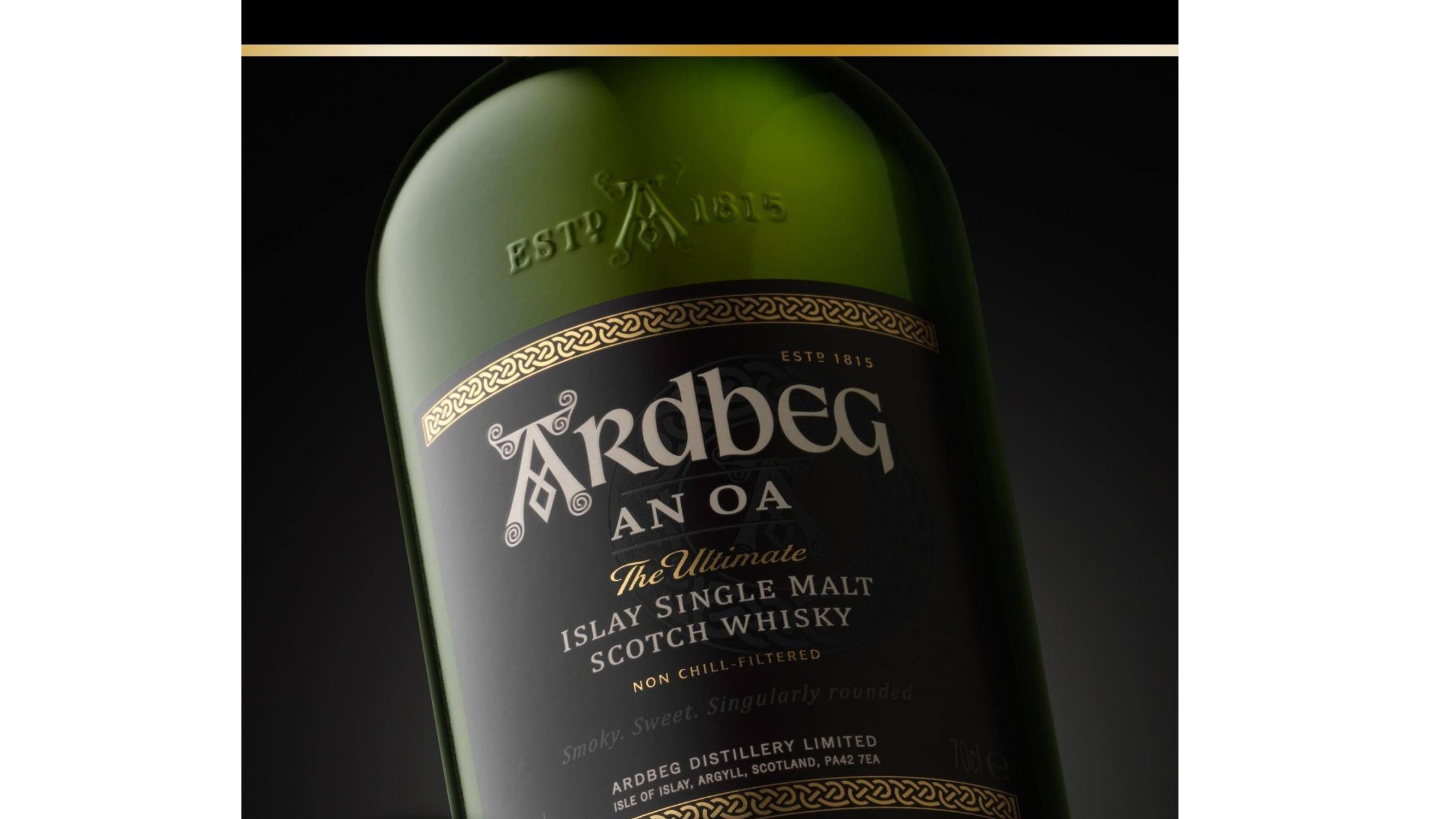
Ardbeg AN OA

Ardbeg AN OA Single Malt Scotch Whisky
Ardbeg AN OA Single Malt Scotch Whisky. Photo via Facebook

If your dad is the braai master of the family, loves strong flavours, and likes a challenge, you could probably get him any bottle of Ardbeg. However, the AN OA deserves more love because it’s often compared to the 10-year but often set aside.

The AN OA gets its rounded and complex flavours due to all of the barrels used to provide different complexities.  Matured in a combination of ex-Pedro Ximénez (PX) sherry casks, virgin oak, and ex-Bourbon barrels before being married together in French Oak barrels, you’ve got a flavor-explosion on the cards.

Ardbeg is known for its aggressive smoke but on the nose can become sweet and fruity thanks to the sherry casks. You might also find some sea air on the nose. On the palate, you should be prepared for smoke and pepper but if you spend time with it, can turn into sweeter notes of toffee.

The finish is long and smoky, perfectly paired with anything put on the braai like steaks or smoked pork.

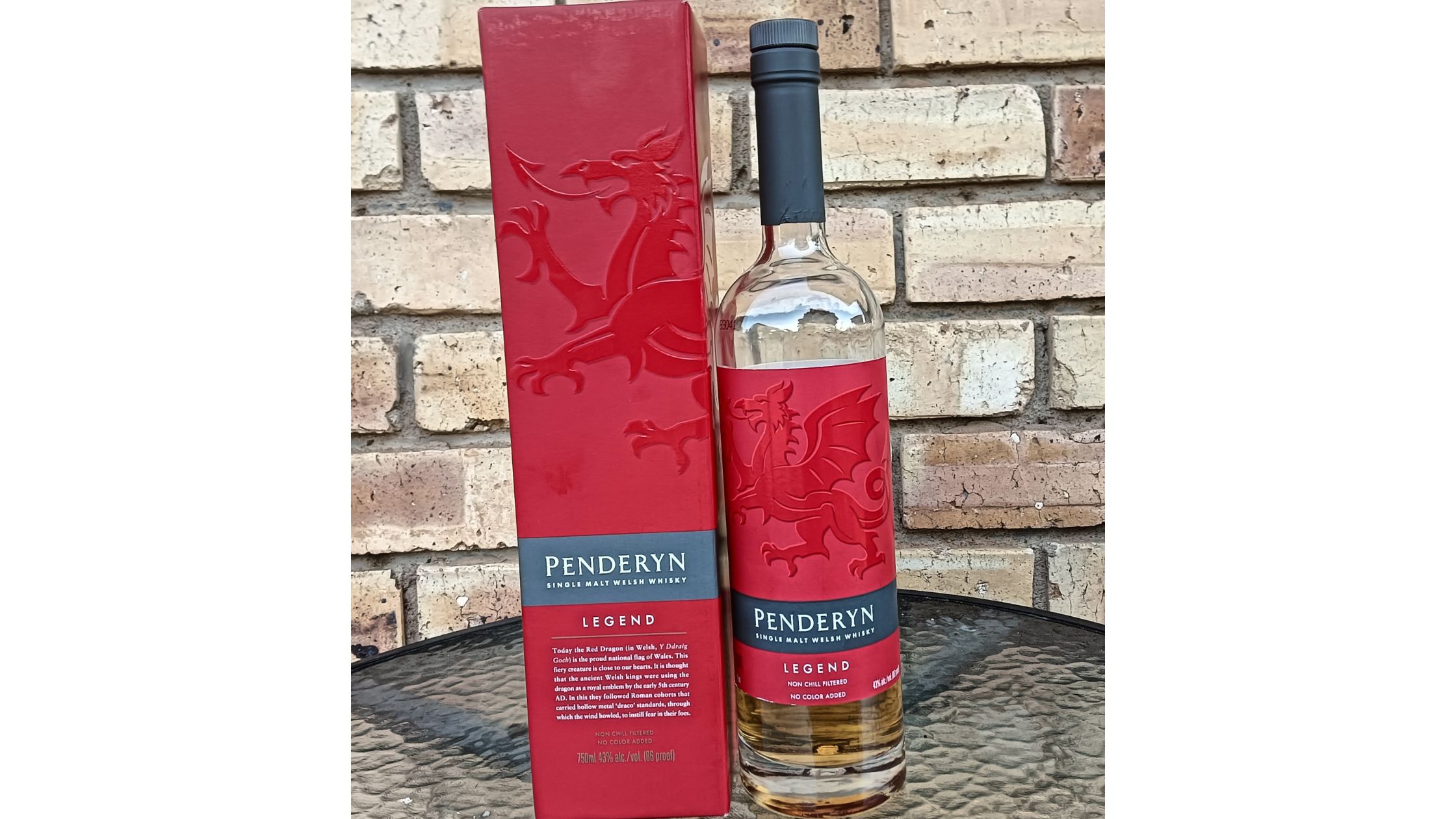
Penderyn Legend

Who doesn’t love dragons, right? If you want to give Dad a cool bottle to display on his shelf while enjoying the delicious liquid in the bottle, Penderyn Legend is not only going to take you on a journey, but he’ll have a very cool bottle to look at and show off.

Not the most challenging or complex whisky, the Legend is a perfect foray into single malt with sweet flavours that can please any palate. It’s a well-balanced nose with hints of raisins and citrus which can take a while to pick up but become prominent later on. The mouthfeel is incredibly smooth with hints of dried raisins.

The finish continues with the raisins and lingers surprisingly long for how light it seems on the taste.

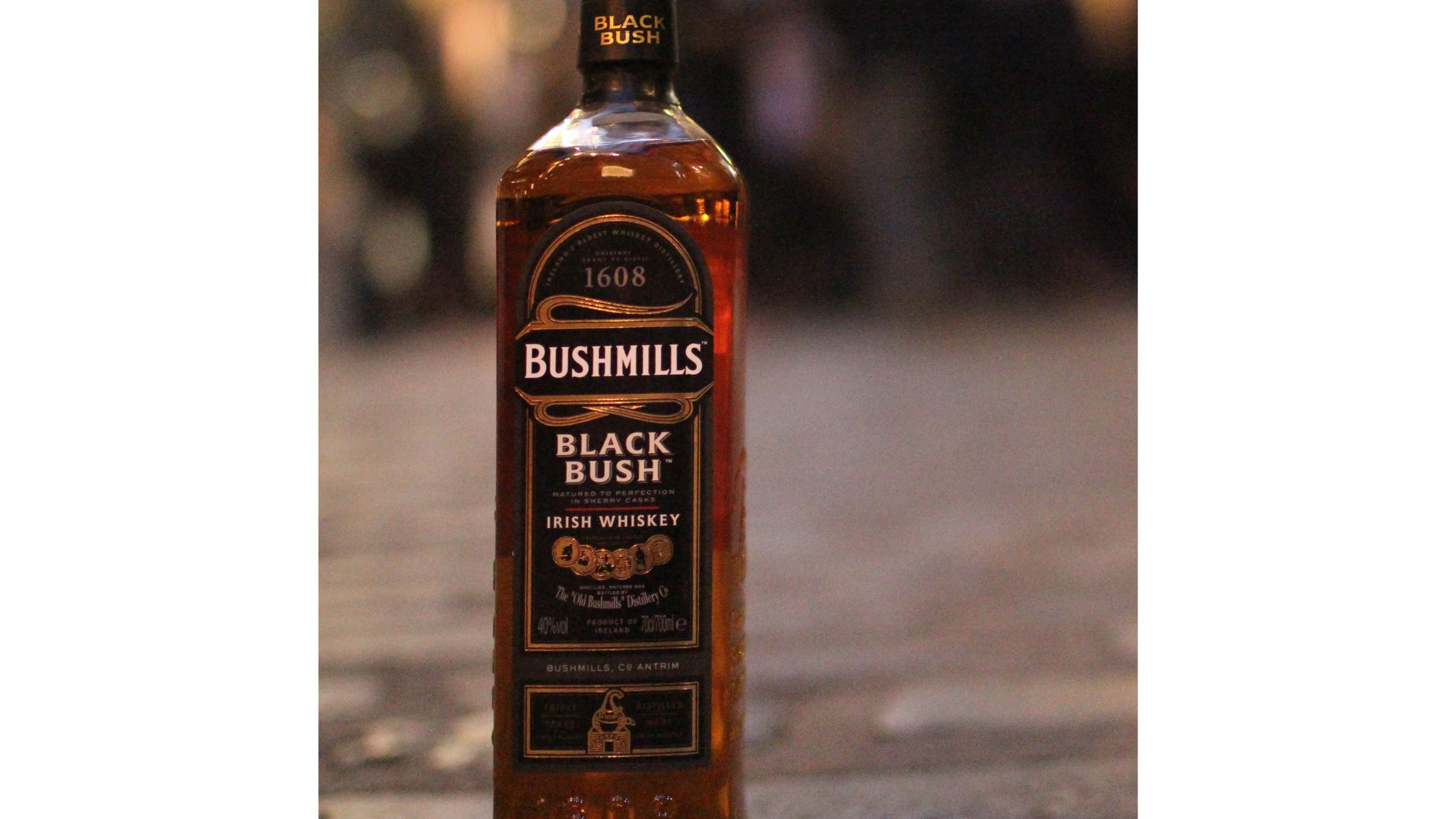
Bushmills Black Bush

Bushmills Black Bush Irish Whisky
Bushmills Black Bush Irish Whisky. Photo via Facebook

What if Dad is an Irish whiskey drinker? If it’s not Jameson, Teeling, or Redbreast, what can you get for a good price with great flavours and a great name?

Bushmills Black Bush brings spice and malt to the nose while adding a layer of sherry after being partly matured in ex-sherry casks. The palate is big and fruity to start‚ quickly becoming light with a hint of spicy fruit. The finish is long and adds hints of biscuits before having another sip.

This whiskey is not very complex but will provide flavours and look to the shelf.

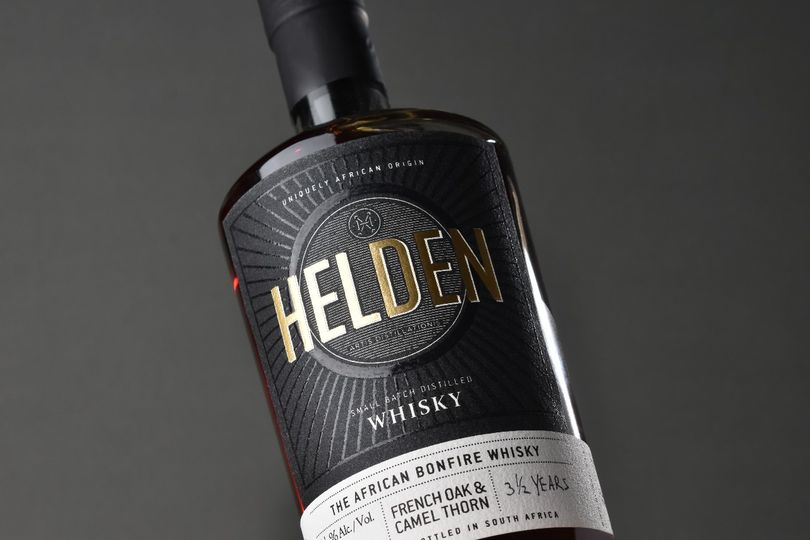
Helden African Bonfire Whisky

Helden The African Bonfire South African Whisky
Helden The African Bonfire South African Whisky. Photo via Helden Distillery Facebook

Also known as the first true South African whisky, Helden’s African Bonfire forms part of their premium range. Made from indigenous malted red sorghum and malted South African barley, this whisky is distilled to an ultra-smooth and silky spirit, which is cask matured using a combination of French oak and African indigenous Camel Thorn wood.

Not only does it have a beautiful amber colour, but on the nose, you’ll immediately find hints of deep smoke-touched wood and spice. You’ll think that you’re in the Kruger National Park when you smell this whisky. The rich and full-bodied mouth feel carries sweetness along with the distinct malt and wood flavours that elevate the feeling of being on a camping trip.

It has a finish that slowly evolves into a complex combination of thorn tree herbal spice, evoking the sweet, complex aromas of the African bushveld.

Dewar’s 15-year The Monarch

Usually, the age of whisky tends to make the bottle more expensive and is often described as being better because we are affected by what we see. What if a Scotch whisky has a great age statement that looks good on dad’s shelf, but brings loads of flavour too? You get Dewar’s 15-year-old Scotch Whiskey, The Monarch. This expression features whisky drawn from bourbon and sherry casks, married together in yet more casks and bottled at 15 years of age.

On the first whiff, you’ll find light fruits like apples combined with nuts and that iconic sherry aroma. When you have the first sip, you’ll get a rich expression of malt that develops into caramel and/or vanilla paired with the lingering spiciness from the nose.

The Balvenie DoubleWood 12-year-old Scotch Whisky

If dad loves ex-bourbon cask whisky or sherry cask, he’s about to have a great day. The Balvenie DoubleWood Scotch whisky is the perfect age-statement whisky for Father’s Day.

A very approachable whisky for somebody new to whisky or a pour that is just perfect for any occasion, the combination of ex-bourbon and sherry casks provides rich sweet vanilla and sherry on the nose. The mouthfeel is butter smooth and approachable on the tongue bringing cinnamon spices, honey, and vanilla as it develops on the palette. The finish brings back all of the sweet sherry notes.

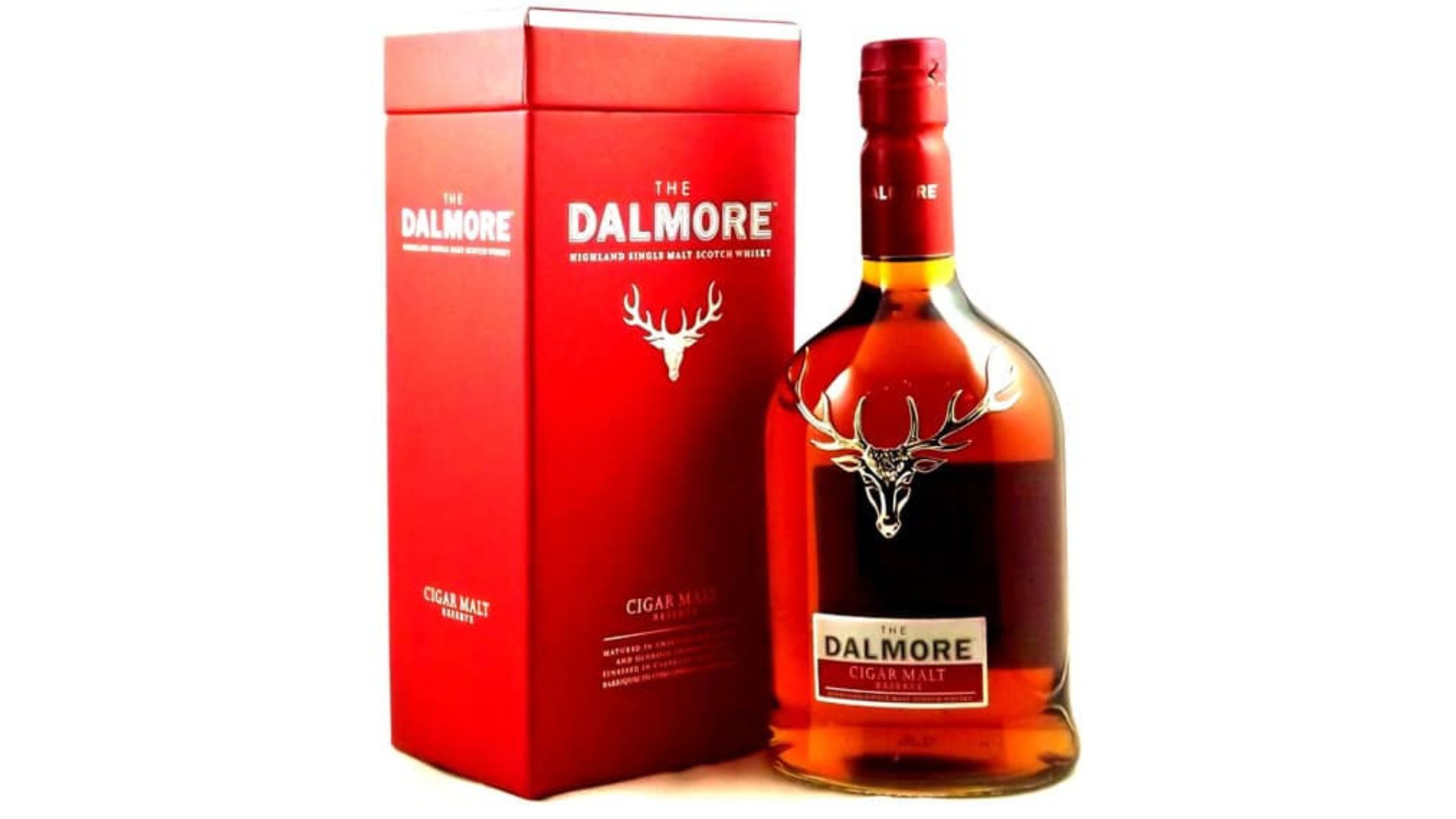
The Dalmore Cigar Malt Reserve

The Dalmore Cigar Malt Reserve
The Dalmore Cigar Malt Reserve. Photo via Facebook

Is it time to get something more special for Dad? If there’s a bottle that looks great as a centerpiece of the bar while being the perfect pour for a special occasion, it’s The Dalmore Cigar Malt Reserve. If Dad is a whisky lover, this is the bottle that will light a fire in his chest. Its complex flavour is perfect for exploration thanks to the range of barrels used; American white oak ex-bourbon casks, Matusalem Oloroso sherry butts, and premier cru Cabernet Sauvignon wine barriques.

The richness already starts on the nose with caramel, coffee, dried fruit, chocolate, and vanilla followed by cinnamon. The mouthfeel is smooth and luxurious with flavours of stone fruit, banana, citrus, and the perfect sherry integration. The finish is long and full of cinnamon and anise spice.

There’s something truly wonderful about buying somebody whisky as a gift. Whether your dad or grandfather loves whisky or if you’re inviting them on the journey with you, any of these whiskies are a great gift to drink or show off in the collection.

Written and Published by Gary Dunn

How to taste your new and favourite whiskey

Friends drinking and tasting Wheel Horse Bourbon in different glasses

Whiskey is more than just a distilled and aged spirit; Distillers and their blenders put in years of expertise and work into making something unique that will stimulate the senses and give you an experience rather than just another drink. Whiskey makers use various kinds of grains and treat them in unique ways before starting the distillation process. The spirit is then put into specific barrels before being aged for several years and sometimes even moved to a different barrel to add some finishing touches. Then, the distillers and blenders pick barrels to create unique experiences in your glass.

With so many processes and skills going into an expression of whiskey, there are hundreds of different aromas and flavours you could find in each glass. There is no right way to enjoy your whiskey but there are ways to maximise your experience when it comes to smelling and tasting as much as possible.

Whether you’re on the journey alone or helping somebody experience whiskey for the first time, these simple tips can help you.

Let’s start with the glassware

Unless you’re making larger cocktails, there are two main glasses used to drink whiskey, the tumbler/rocks glass or Glencairn.

Rocks glass: This short and wide-bottomed glass is perfect for adding a couple of blocks of ice but many whiskey cocktails are also served in these iconic glasses. The flat bottom ensures that ingredients can be muddled and less diluted cocktails fill up the glass, making them look classy.

This is a versatile glass for many occasions but probably not the best when you want to explore the whiskey to its fullest extent.

old fashioned cocktail in rocks glass
The rocks glass or tumbler is perfect for adding ice or making a whiskey cocktail. Photo via Unsplash

The Glencairn: This bell-shaped glass is designed for tasting a distilled spirit. The glass has a very short stem and robust bottom with a wider bowl shape before narrowing and then opening slightly at the top. The bowl shape not only allows some swirling to open up the whiskey but channels aromas towards a narrowed rim.

The Glencairn allows perfect pours, looks classy, and is the perfect vessel for smelling, tasting, and exploring whiskey.

Two Glencairns of whiskey next to a The Belvenie barrel
The Gelencairn glass is perfect for a neat pour of whiskey. Photo via unsplash

Both the rocks glass and the Glencairn come in their own shapes and variations too, all of which can elevate your experiences.

Inspection

This step can seem a bit over the top, but we are often affected by visuals. Whiskies can have vast differences in colour due to casks and climate, so when you’ve got a line-up of whiskies, it can be fun to compare them.

The bowl of the Glaincairn is perfect for seeing the colours at different angles but is also dependent on the time of day or the room that you’re in.

Nosing

Your olfactory sense (sense of smell) is more powerful than taste, so nosing/smelling your whiskey is where you’ll probably spend most of your time. Our sense of smell is also great at finding nostalgic memories to go along with the many aromas you’re about to experience.

First, you might want to think of the ABV or proof of the whiskey. If you’re just starting your whiskey journey, high-proof whiskey might just burn the hairs in your nose and sully the experience. Starting at a lower proof or alcohol percentage will help you experience the whiskey more comfortably.

If you’re new to nosing whiskey, start by holding the glass relatively far away, moving closer. If it starts to burn, just retreat a little bit until it’s more pleasent.

Remember to also keep your mouth open slightly and breathe in through your nose and mouth at the same time. The added oxygen circulation will enhance the experience of the aromas.

It’s not just about the aromas but about the memories they evoke. Whiskey has a way of letting you experience nostalgia, so don’t just think about specific ingredients, but memories. It might be a specific leather chair belonging to your grandfather or gardening with your parents. Spend time with your whiskey and discuss it with those tasting alongside you. You might find that talking about it can help you find notes that you’ve not found before, even if it’s a whiskey you’ve had many times.

Palate

After spending as much time as you need on the nosing, it’s time to taste. One way to not only get flavours but deal with the proof is by dipping very lightly like drinking hot coffee. The addition of air helps you experience what you’ve smelled already (also known as ‘retronasal olfaction’).

However, mouthfeel might be what you experience first as you sip. How does the liquid feels on your tongue and against your very sensitive cheeks? Don’t swirl it at first but let it linger on the tongue. Pay attention to how the whiskey feels in your mouth. Is it soft and creamy or is it direct and spiky? Is it drying or refreshing? These feelings might change to flavours, some of which you’ve smelled, like fruit, types of grass, or a variation of smoke.

Whiskey can develop over time, so don’t rush for another sip but experience, discuss and explore.

The Finish

When you’re ready to swallow, think about the journey. How long can you feel or taste it as it goes down? How long can you sit with the flavour until you’ve experienced how it develops on the palate? Did the experience disappear quickly or can you sit back for a while before needing another sip?

Some final tips

  • Add water: Drops of water not only bring down the proof for those struggling with the “burn” but can highlight different aromas and flavours.
  • Write it down: Write down what you’re smelling, memories you’re experiencing, and notes that you’re tasting. This can help you eliminate what’s already there while finding something new.
  • Smell your elbow: Especially when you’re tasting many different spirits, your senses can get overwhelmed. You’re so used to your smell, that sniffing the inside of your elbow can help reset your senses with a neutral smell.
  • Enjoy with friends: Share your whiskey! Introducing friends to your collection or reminiscing about the memories you share can be a powerful experience. Whiskey is best enjoyed together.
A line-up of different whiskies to be shared with friends
Share and enjoy your whisky with your friends. Photo via Unsplash

There is no RIGHT way to taste whiskey

These helpful tips are not the only way to taste whiskey. You can and should enjoy whiskey in the way that makes it the most comfortable for you. Whether you follow these tips to the letter, add some snack pairings, or combine everything you’ve learned from this and other resources, enjoy the time tasting whiskey.

You don’t even need to agree on how to spell whisk(e)y

Whisky or Whiskey: Are you spelling it correctly?

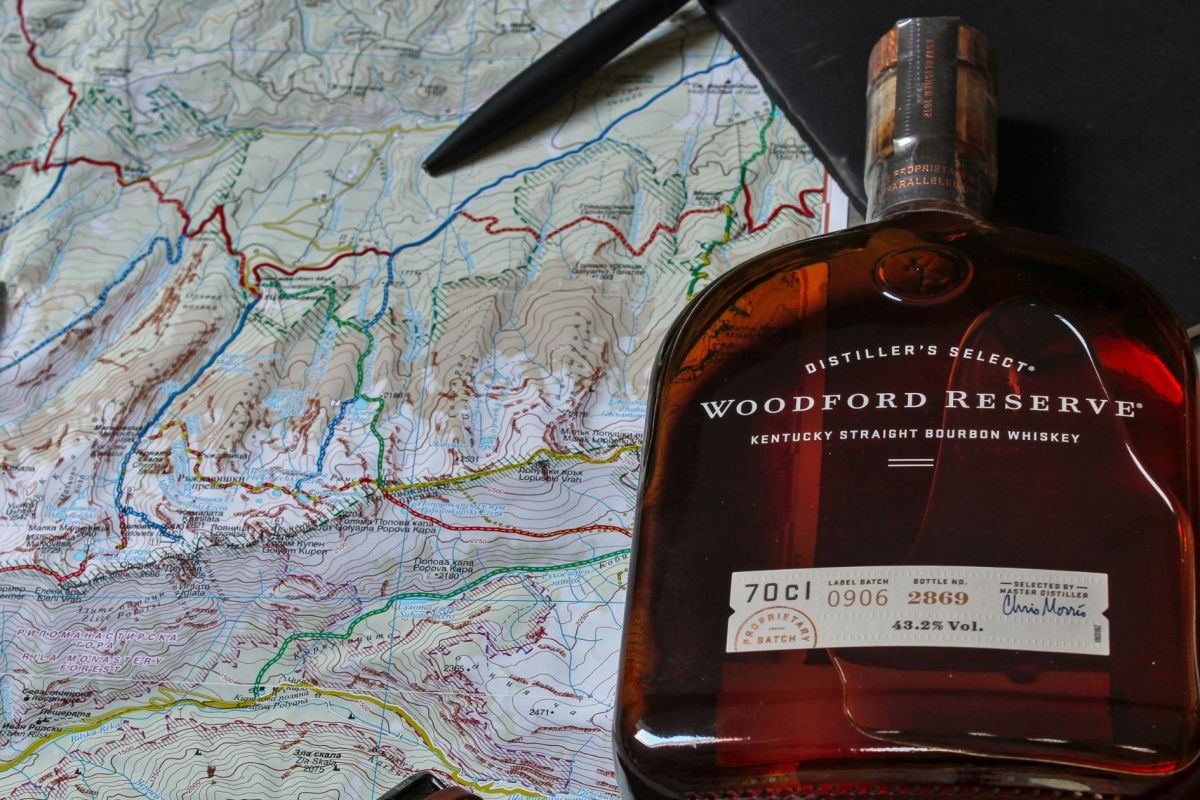
Debunking the whiskey vs whisky debate with Woodford Reserve and a map

The only time we ever argue about the spelling of whisk(e)y, it’s when we read the labels, but does it matter? Even though both of them are essentially a spirit distilled from a variety of grains, their history is intertwined while their essence is enjoyed by people all over the world.

The Irish spelling of whiskey comes from the Gaelic derivations of the word ‘Uisce beatha’, meaning Water of Life. Due to Irish immigration to America in the 18th century, American ‘whiskey’ is also spelled with an “e”. The rest of the world uses the “whisky” spelling, even when they are made similarly.

But, even though whisk(e)y is made in similar ways with similar grains, each part of the world has its variations and rules.

What do whiskey and whisky have in common?

Even though different countries have their versions of whiskey, they do have other similarities.

  • All whiskey has to have a minimum of 40% ABV (alcohol by volume) with some regions having their own rules for the maximum %ABV allowed in the bottle.
  • Whiskey is distilled from barley, wheat, corn, and other cereal grains depending on the type. The single-use or combination depends on the specific whiskey or region.
  • In many cases, the minimum time a whiskey is allowed to mature in a barrel is 3 years before it can be called whisk(e)y.

Irish whiskey

Irish whiskey is very popular around the world as one of the original producers. It’s often experienced as “smoother” than Scottish whisky but is also known as a gateway to bourbon as ex-bourbon casks are often used for maturation.

  • Irish whiskey is usually distilled in pot stills and attributes its “smoothness” to the fact that they’re often distilled three times instead of the usual two.  
  • Whiskey in Ireland has a minimum maturation age of three years in a barrel.
  • Irish whiskey may contain a distillate of malt, a barley distillate, and a portion of grain spirit.
  • Irish whiskey is rarely peated with some small exceptions in the growing industry.

Scottish (Scotch) whisky

Scotch whisky might be one of the world’s most famous producers with the distribution of its wide range of whiskies shared all over the world. It’s also the world’s best-marketed whisky too.

  • Scottish whisky needs to be distilled, matured, and bottled in Scotland, (to which only whole grains of other cereals may be added) with the addition of only yeast and water.
  • Maturation needs to happen in oak casks for a minimum of 3 years.
  • Single malt Scotch whisky must be made from 100% malted barley.

Bourbon

Probably the most popular style of whiskey made in the United States of America, bourbon is very well known for its sweetness. Due to the use of new oak barrels that have been charred, bourbon often has a distinctive oaky flavor too.

  • Bourbon originated in Bourbon Kentucky and is made from a minimum of 51% corn with rye and malted barley.
  • Distillation of bourbon usually takes place in a column still and then a pot still.
  • Straight bourbon is aged for a minimum of 2 years in new charred oak barrels while Bottle-in-Bond bourbon needs to mature for at least 4 years.
  • Bourbon also has its sub-categories with high-rye and wheated bourbon being two of the most popular variations.
  • Tennessee whiskey is made in the same way as bourbon, but it is charcoal mellowed before maturation

Rye whiskey

Rye is made in a very similar way to bourbon with just a few differences.

  • Rye whiskey is often experienced as “spicier” than bourbon even when it’s made in a very similar way.
  • Rye Whiskey is made from a minimum of 51% rye grain with the other cereals taking more of an accented seat to round out the flavours.

The USA whiskey industry is in a resurgence with craft whiskies becoming more popular and even American Single Malt growing in popularity. You might find that your favourite distilleries and brands now have single malt as part of their core range.

South African whisky

Even though the South African whisky industry is still very small, distilleries are popping up everywhere, with the Western Cape Province still having the lion’s share. South African whisky is also made in a similar style to Scottish whisky.

South African whisky is often made using locally sourced maize with malted barley being used for special editions or as an accent to the mash.

I’ve also written a piece on the reason why South Africans tend to drink blended whisky instead of single malt.

Due to the climate, South African whisky is aged for a minimum of 3 years but also gets more intense barrel impact due to the climate. This means that bottles matured as little as 5-6 years are often part of the core range.

Whether you call it whiskey or whisky, these spirits have many things in common with a few rules that govern how they are made. However, there are no rules about how you can drink your whiskey, as long as you enjoy it with a sense of adventure and a smile on your face.

Why is whiskey such an iconic drink?

Jack Daniel's Tennessee Whiskey in square branded tumbler

Whether you call it whiskey or whisky, there’s always a reason to enjoy a dram. All over the world, people who enjoy whiskey get asked why they want something that “burns” or “just tastes like alcohol”.

As everybody has reasons for drinking, collecting and sharing the “Water of Life”, it’s always a good idea to find out why we drink it and why it’s so iconic.

Great conversation starter

It doesn’t matter if the person you’re talking to is a whiskey enthusiast or new to the amber spirit; the topic alone provides you with a starting point.

The question of their whiskey preference or if you can pour them a drink can turn into many topics. It can be as simple as “Yes, please” to find out it’s their favourite or something they’ve never tried. It opens up the opportunity to share stories of past experiences with whiskey, mini reviews of what’s in the glass, and reminiscing about non-whiskey topics while having a good laugh, and sipping something delicious.

The history of whiskey

Whisk(e)y has a long and storied history that started about a thousand years ago. Still, the last couple of hundred years are what we usually think about. It originated in Scotland and Ireland before spreading to Europe and the Americas. However, it’s the individual histories of distilleries like Jack Daniel and how a man known as Uncle Nearest taught him how to make whiskey.

There’s also our history with whiskey, including how we started drinking it, enjoying it, sometimes taking a different path, and hopping back on the whiskey train later on. These stories bring us together while making new memories that will become the tales we turn into our new histories down the road.

Variety

There is an enormous amount of whiskey worldwide and subcategories within well-known regions to which we often flock. Part of this whiskey journey comes from somewhere, and the real journey begins when we start colouring outside those lines and take the journey elsewhere. Sometimes, you can be the guide, helping a friend, new or old, try something they’ve never had before and in the past, that person was once you.

It can be as simple as trying Speyside Scotch whiskey like Glenfiddich to trying a heavily peated Islay Scotch like Laphroaig. Or, you can be a bourbon drinker trying out a Scottish single malt or Japanese whiskey for the first time.

The options are almost endless, and the variety keeps us on track.

Versatility

There will always be those who are hard-line neat whiskey drinkers, but we all know that “the best whiskey is the whiskey you like to drink, the way you like to drink it”, according to the Whiskey Tribe.

So, whether you like a block of ice and/or Coke with your drink or make a cocktail, of which there are hundreds of whiskey versions, anybody can enjoy any of the many varieties of whiskey the world has to offer without judgment.

It’s time to relax

There are those days when you want a bit of joy. Whether you’re about to sit down after a very long day and watch the sunset or about to meet some friends at the pub, whiskey has a way of calming the mind and making you feel better. Whether it’s just a flavour you love or that common reaction to alcohol, whiskey will provide the mood for relaxation.

Whiskey is well-loved and iconic, not just because of its history as the water of life but also because of the memories we make while enjoying it.

We all have different reasons to drink whiskey and explore this historic spirit. Still, one thing is for sure: it’s always best enjoyed with great people.

The mini map is important to those with visual impairments

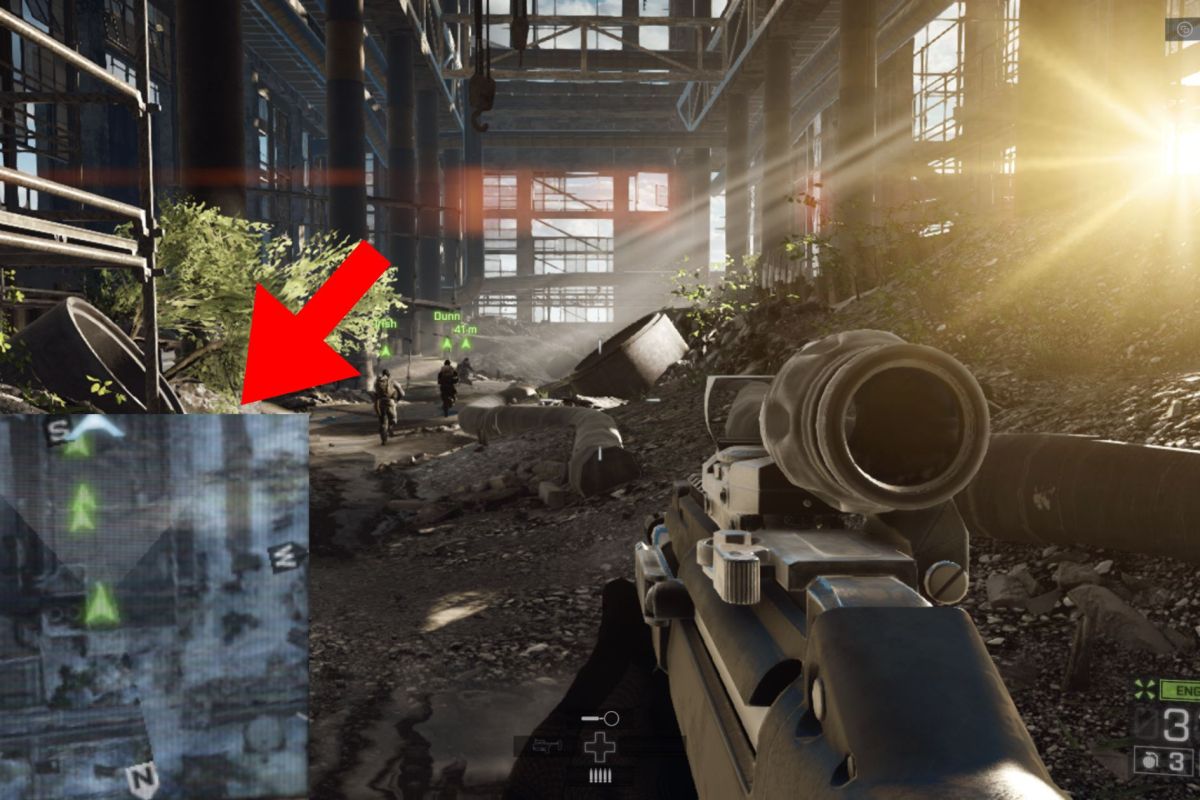
Battlefield 4 with enlarged mini-map to help people with disabilities.

I’ve been playing video games since the 90s, but after a long hiatus and only getting back into it a short while ago, I’ve jumped back into older games while also enjoying new ones. One of those goals was to try out some popular game franchises I see spoken about daily but never got a chance to play myself. While I finished some and jumped to others, one aspect came up quite often when it came to immersion and fun: the mini-map. 

It’s not just the actual inclusion of those small maps on your game’s UI that makes a difference but also the colors, details, and of course, the location used. In many modern games, you can turn off all of the icons and images on the UI to enhance the immersive experience. There are even settings where you can change the colour schemes to help those with colour blindness, but there are often none to move the icons, like the mini-map, to make it easier for those with specific visual impairments.

Red Dead Redemption 2 immersion
The mini-map and UI plays a big role when it comes to game immersion.

In my situation, my visual impairment leaves me with mostly peripheral vision in my left eye, making it difficult to see certain things on the right side of a screen. I specifically noticed mini-map locations when I dove into The Witcher 3: Wild Hunt where the mini-map is in the top-right corner, making it very hard to follow certain paths. I went back to games that I’ve played, many of them action, action-RPG, or racing categories where I noticed that most of the maps in my experience had the mini-map in the bottom-left corner. There are genre-specific variations of these maps but more often than not, it’s an abstracted view from the bird’s eye perspective.

There are always exceptions to the rule, but what makes a difference about these maps, especially when you’re visually impaired?

Map Location

For many gamers, the location of the mini-map isn’t noticed because it’s either not used, you’re used to the franchise’s UI, or you turn it off and only want the beautiful visuals on screen to explore without any assistance. However, for many like myself with a visual impairment, finding our way is a bit trickier and the location of the map starts making a difference.

For games like first-person shooters, racing games, action-RPGs, and even strategy games, the mini-map is usually on the left side, especially at the bottom. MMORPGs almost always place theirs in the top-right corner.

Usually, this placement is due to the perspective as it often means this is “behind” the character or in an area of the map where we rarely need to focus on any sort of gameplay. This means that the bottom left corner is perfect because it’s not going to interfere with the action going on in front of you, and you have to draw your attention away just slightly. In Western cultures, we usually read from left to right, which also affects where we look first and then follow to the right. However, just looking to the top-right corner to “check” the map, draws your attention there first which can prolong your reaction times.

All of the detail, or none of it?

The mini-map is usually a smaller version of a larger map that the game already has but we don’t always want to see all of the same details. RTS (real-time strategy) games often have quite a large area section shown as one controls a larger area of the game with units, terrain, and buildings being seen from above. Shooters and racing games will provide you with a much closer view, only showing you your direct vicinity to find out where your character is and maybe which direction you’re going or need to go.

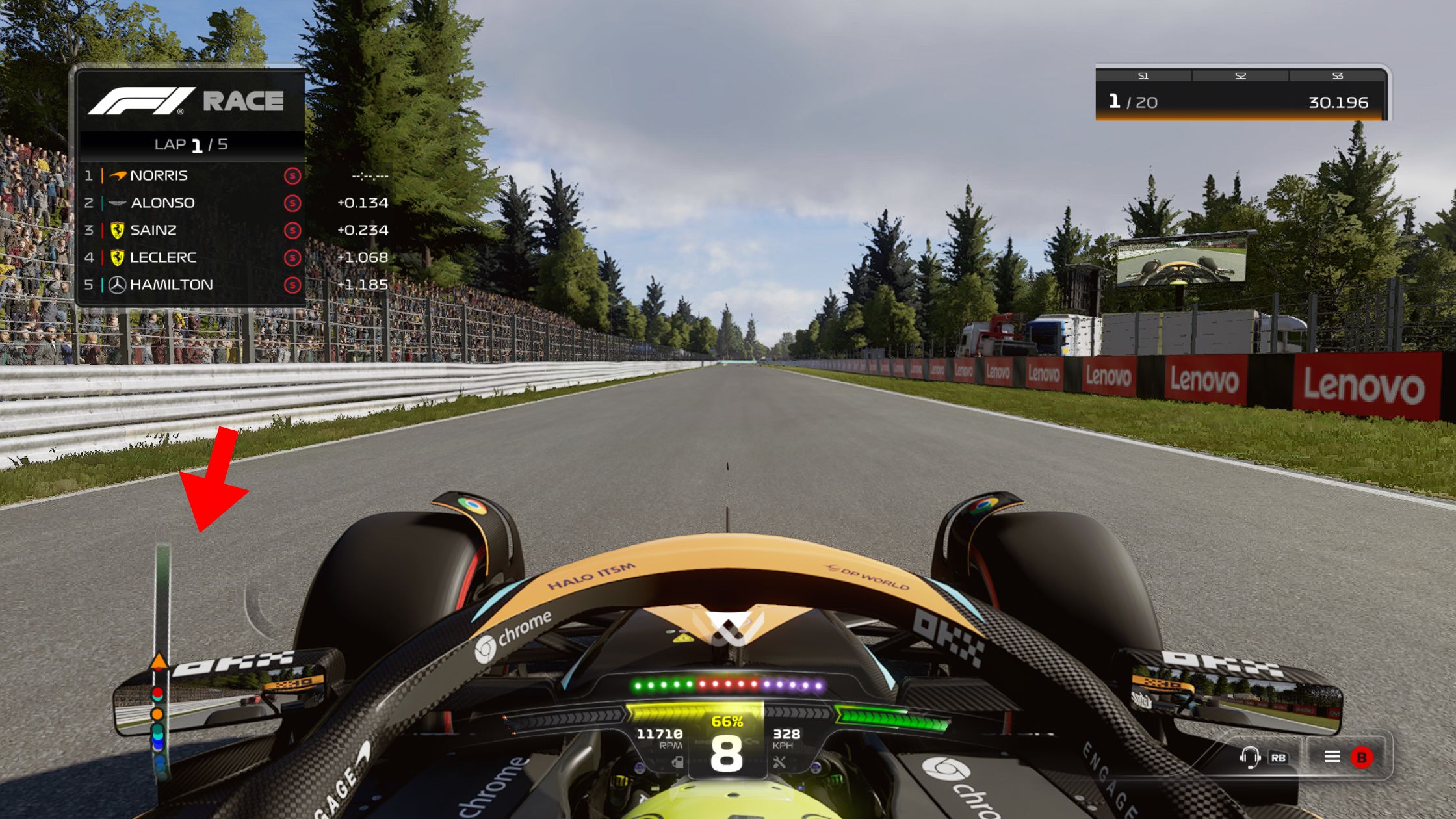
F1 23 McLaren racing at Spa, highlighting the transparent mini-map
How much or how little do you want to see the mini-map when it’s there?

How much detail a mini-map has can make a big difference for those with visual impairments. Certain colour combinations will be better for those with colour blindness and just having too much colorful detail can end up distracting from the real action being displayed on the screen. Mini-maps often have a basic colour scheme to ensure that when there is a contrasting colour for a point of interest or highlighted path, it’s noticed easily. We also want those compass directions on there too, or at least an icon for North, to help with navigation.

To streamline the UI, many games declutter the map by using the often circular mini-map with status bars and other finer details you want to keep note of. However, it can again become quite distracting if done wrong. Too many bars or details will widen the small map and it can bleed into the action happening on the screen. I’ve experienced some mini-maps that use either side of the map for their bar, helping with the diameter.

Full-sized maps usually have recognizable icons for buildings, vehicles, and other points of interest that reflect what they would look like in the real world. They often have the names of these locations too, but should the same happen on the mini-map? These metaphor images are usually enough for the maps without too much extra text making it harder to see the important details.

Immersion with a visual impairment

One might think that adding more information in the UI like a mini-map, status bars and more icons would help somebody with a visual impairment, but it could completely distract from the gameplay. Games can be like big movie set-pieces, so we want that cinematic feeling when we dive into their worlds.

With some visual impairments, it’s not possible to see a lot of detail, so having less on the screen, maybe to a point of no UI at all, might help the gamer find their way and play the game more effectively. When there’s less to look at, the focus can be on the natural environmental clues instead of looking away at colourful maps and numbers across the screen. One of my favourite examples being Dead Space which uses the character’s suit to show Isaac’s health instead of a UI status bar.

“Depending on the game, no mini-map – or even no UI entirely – can really give the game a cinematic feel” – Kervyn Cloete

Being able to partially or completely reduce UI elements may help gamers with visual impairments feel more immersed in the world. For some, audio clues could help but even those can/should be optional.

Do we still want the mini map?

A mini-map is supposed to work as a quick reference for finding yourself or teammates while things are happening or just finding your way to a location you’ve set a waypoint for. These details help to give you a smooth experience to help immerse yourself in the meticulously-created worlds of these incredible games. It can help those with some impairments explore more effectively while still being immersed in the world.

You might not always notice how you experience the inclusion of a mini-map, but when it suddenly changes, it can have a larger impact on those you rarely think about. Whether it be the location, icons, or other details added to the map, details matter, even if it’s less detail than necessary.

Accessibility in gaming means accessibility in life

person wearing glasses and bright headphones playing a computer game

A lot is going on in the world of gaming and accessibility is one of them. We always want more people to play games and for a long time, people with disabilities or special needs were completely unable to enjoy any of these interactive works of art. However, we’re still not where we want to be with accessibility to play many of them but why does it need to change, other than just sitting in front of that screen?

As a visually impaired person, games have played a bigger part in my life since the 90s than people often realise. Being able to play games has provided me with skills to overcome some of the hurdles I was told would stop me from being independent. These games provided me with the opportunity to experience freedom most people might even take for granted.  

Hand-eye coordination

We constantly need to interact with the world around us but not everything is static. We need our gross and fine motor skills to work well with our visual acuity and eye movement control (oculomotility). Being able to react to fast-moving objects on a small scale has taught me to be more vigilant about the world around me.

If it weren’t for games teaching me coordination, I would not be able to run the many road races including marathons on my own because I would not have been able to notice moving cars and static objects in front of me. I would barely be able to do my job as a personal trainer, seeing how people move and being able to correct my client’s technique. With all of these things, I’m able to notice and react appropriately more than I technically should be able to, according to those I knew at a young age. I could even go-karting with friends because I love racing games, and they gave me a good understanding of the mechanics without being able to see as well as everybody else.

Puzzle solving

Problem solving is a big part of most games. You are forced to notice patterns and find solutions to puzzles that prevent you from moving forward in a game. From a young age, being able to solve various visual, audio, verbal and language puzzles are a big part of growing up.

Games give anybody a chance to apply their intuition to new environments. These puzzles aren’t just for those with disabilities but anybody who loves games can enjoy solving these puzzles and feel more accomplished. They help us train our brains which of course is only a positive skills in the real world.

Stress-relief

The world can be a tough place to live in. Between a cost-of-living crisis, having a career that barely pays for anything, and a world that feels like it’s falling apart, we need some catharsis.

Being disabled makes it even tougher as well-paying jobs are less accessible, it’s harder to make friends because we’re not out in the world, and doing basic things every day that others do naturally can be very frustrating. By being able to jump into new worlds with incredible visuals, stories, and characters, we can find a place to control our outcomes. If we’re able to have access to more games with controls and settings that help with some of the basics, we can get lost in those worlds for a while and forget about what’s stressing us out.

Having maps in the same place each time, larger text, colour blindness settings, audio cues and even braking zones in some games make a big difference to how much fun we can have. These accessibility settings also don’t affect those you play with and against.   

Making friends

For many people with disabilities, going outside and meeting people has more challenges than you might think. Whether it is cost, general disability access, or just confidence to put yourself out there, meeting people is much harder. There are many basic activities that are just not accessible for many with disabilities and they can be as simple as hiking. With games being more accessible and those games having online multiplayer modes, you can meet people from all over the world who you can team up with or play against.

Personally, just getting around is tougher because I don’t drive but for others, it can be even harder because e-haling might not be accessible or buildings and companies don’t make it possible for people with disabilities to even participate in activities.

Games make it possible to just jump into games with friends any time of day without worrying about cost or time. Nobody cares about how you look or where you’re sitting; as long as you are a friendly presence and enjoy your time with a group of buddies.

These games we love really are more than digital landscapes; they are worlds where we can escape to, live in and interact with people we would never get a chance to. They are an escape from daily frustrations, provide us with puzzles to decipher and give us skills that help us become more interactive, and independent, in the real world.