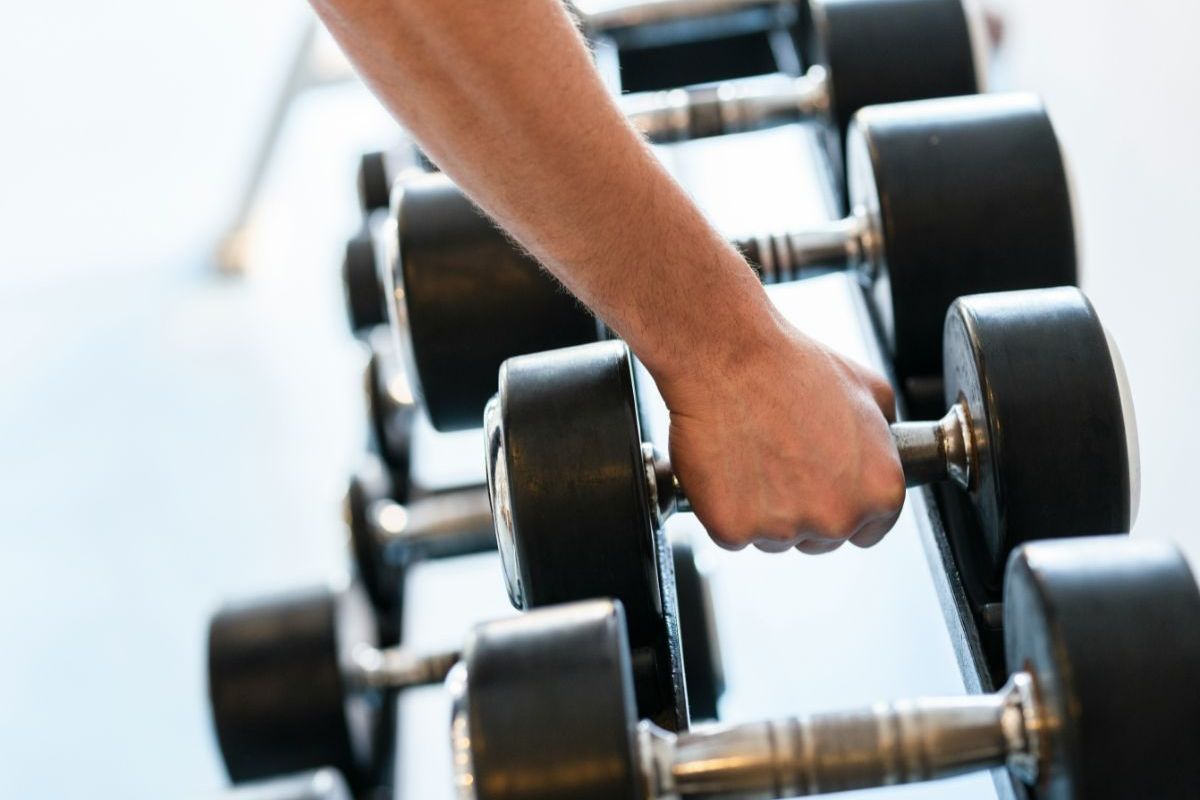
Here are 5 unspoken gym rules for everybody

Re-racking weights and not training at the dumbbell rack

Some of us spend hours a day in the gym while others are starting their journeys through health and fitness. We are near many different people in a public setting that will help us live longer but, on the other end of the spectrum, the gym is a place full of uncomfortable situations. While every gym has the same rules, some important considerations aren’t on any list. Some of us might learn them for the first time as we grow in the gym while others need to know them for the tenth time.

Even though they’re not in most rule books, let’s speak about some unwritten gym rules:

5 Unwritten gym rules and etiquette you should follow

All about the dumbbell rack

All gyms have rules about packing weights back and putting the dumbbells in the assigned spaces, but there is another rule that should be followed.

Dumbbell racks are usually placed in front of big mirrors, making it the perfect spot to watch your gains. However, standing right at the rack causes many issues, mainly standing in the way of more people than you might think. Depending on your size, doing curls or dumbbell rows right on or at the rack puts you in the way of at least 2 to 3 sets of dumbbells while doing lateral raises eliminates even more weights for people to get a hold of.

Not only are you in the way of people who want to put away or pick up weights, but you’re taking up space between racks and benches where people often walk. Most people in the gym don’t have visual impairments either, so you don’t need to stand a meter away to see your gains.

Phone use

We all know that our phones are a major part of our lives. However, most people don’t have much time in their day, so sitting on your phone while hogging equipment is just unkind. We also know that gym programs are on our phones too and tracking workouts is important.

The gym is there for exercise and maybe some socializing, but if you’re socializing on your phone, you might be sitting on a bench or machine somebody is using.

There is a way to get around it if your phone takes up so much of your time. If somebody asks if you’re using something, let them share the equipment so nobody’s time is wasted.

Cameras

Our phones aren’t just for texting but we take photos of our workouts and gains to post on social media or send them to our coaches.

If your gym allows cameras, be respectful of others. You’re in a public place, so you don’t own the area you’re using or photographing. You should make sure you’re not facing the camera towards somebody who’s exercising and doesn’t get outraged when somebody walks in front of your camera. The space is for everybody and you should never make anybody feel uncomfortable in an already uncomfortable environment. You do not want to be harassing somebody, even unintentionally.

There are videos on social media of people calling out those staring at them or walking in front of their cameras as they exercise. There are also channels ridiculing them. The best course of action is to make this phenomenon as limited as possible.

If you don’t have a choice of camera angle or didn’t notice them before, ask permission to be included in the video, and that also counts when you ask a stranger to spot your bench, squat, or do any other exercise.

Hogging equipment

We’ve already spoken about people sitting on equipment while using their phones, but there are two more versions of hogging equipment.

An entire workout in the power rack: We all know that squats can take a while, especially when you’re going to be lifting heavy. If somebody asks how many sets you have left, offer to let them work with you, especially if you’re just getting started. You might even make a new gym buddy.

However, some use the power rack and run around doing other exercises around the gym too. Not only should it then be even more possible to let people share the rack, but it’s important to stay approachable and friendly in this case.

Using machines all around the gym: There are many parodies of this occurrence on social media. Somebody wants to use a machine and a shout from across the room says they’re using that while busy doing a completely different exercise. This is easier during quiet gym hours but at peak times, using two or more pieces of major equipment can be an inconvenience to multiple people.

Keep sharing equipment in the gym because there’s always a good reason to be kind.

Locker room etiquette

 The gym floor is already an uncomfortable space for people but the locker room can be ten times more painful.

  • We know the showers and getting dressed or undressed are what locker rooms are for, but walking around with appropriate clothing can make people feel uncomfortable.
  • Wipe down counters and other surfaces after use.
  • Wear appropriate clothing and cover up in communal areas.
  • Stay off your phone and refrain from any photography.

Why you should follow gym etiquette and these unspoken rules:

Safety: Re-racking weights and using equipment properly helps prevent accidents and injuries on the gym floor. Wiping up drips around the pool or locker room can prevent falls.

Hygiene: We all understand that gyms are the perfect zones for lots of germs, so wiping down equipment is crucial for personal health and well-being.

Respect: By respecting personal space, safety rules, and modesty rules, you show respect to your fellow gymgoers. This creates a more pleasant atmosphere for everyone.

The gym should inclusive and welcoming place where anyone, regardless of their experience or ability, should feel at home. People should be able to work toward their goals without fear, intimidation, or anxiety.

These rules and etiquette guidelines might not always be in gym manuals or on signs, but keep them in mind when you’re in the gym again.

Improve your bench press with these helpful accessory exercises

Bench press accessories can boost your lifting potential

Whether you’re new to the gym or an intermediate to advanced lifter, you probably want a big bench press. However, with everybody having a different body shape and coaches having different approaches with loads of content out there, it can be hard to sift through it all. All of this content usually just tells you what the issue might be and how to fix it, but only when you’re already on the bench. 

Did you know that accessory exercises are more than just workout fillers? When building a program for something like the bench press, it’s not enough just to add movements after the main lift for the sake of it, but accessorise your program with movements that help you lift better. 

Here are seven sticking points and an accessory or two for each to help you get a bigger bench: 

Accessory exercises to improve your bench press

Accessory movements are those exercises that should help you stay injury-free but also help you get stronger. Getting stronger doesn’t mean that they need to be heavy or super high volume, but can be as simple as adding it to your warm-up.

Plant/Root your feet

When lifting, especially when lifting heavy, you want to be as stable as possible. A better bench press starts with good foot placement and making sure they’re not all over the place when pressing. Unless you’re doing Larson presses, you want your feet rooted to the floor. 

Because you’re about to drive with your legs, having your feet under your hips as much as possible is a great place to start. Make sure your heel and toes are planted to keep you connected and stable. 

Accessory Exercise: Ankle mobility

For most people, getting their feet planted under their hips is hindered by ankle mobility. As a warm-up, grab yourself a plyo box or bench, and place your foot on top as if you’re about to do a step-up. Instead of stepping up, lean forward so that your knee goes over your toes. As your heel lifts off of the bench, lightly force it back down as you breathe through the stretch. Do this for one or two sets of 30 seconds for each leg. 

Leg Drive

Yes, you’ll be using your legs during the bench press. If you have your feet planted, you’re already most of the way there. Using leg drive in the bench press is very different to squat or deadlift. Even though some people drive their hips to the sky like a glute bridge, one of my favourite ways to drive with my legs is to drive them along the floor toward my head and shoulders. 

When competing, you’re not allowed to have your butt lift off of the bench, so driving your hips to your head and shoulders could help. The technique will not only help keep your hips down but drive your traps into the bench and even improve your arch. 

Accessory Exercise: Bulgarian split-squat 

Everybody’s a least favourite exercise in recent times, adding the rear leg elevated split-squats to your warm-up can help you get the feeling of the correct leg drive. Usually, you’re focusing on the leg drive from the front leg to work on the glutes and hamstrings, but focusing on the stretch in the quads and hip flexors on the leg elevated behind you can help with your bench press. 

With the back leg balanced on your toes, drive through the back leg for a couple of reps and sets, teaching you to transfer the force through your body to the bar. 

Bracing

Bracing during any lift not only keeps your spine safe, but because of the tremendous pressure in your abdomen, you’ll be surprised how much more you can lift. 

How to brace

  • To breathe properly take a deep breath through your mouth with minimal chest expansion forcing air into your stomach and holding it, then brace your core muscles as if you are preparing to take a punch in the stomach.
  • Bracing is an all-around feeling, so if you’re tired after a run, place your hands on your obliques and feel them expand as well as your back muscles, expanding your whole trunk. 
  • If you’re an intermediate lifter and start wearing a belt, you need to feel the tension pushing into the belt all around. 

Accessory movement: Planks

Do your elbow planks and side planks. Not only will you learn to brace and hold in the right positions, but you’ll also learn to tense your entire body as part of the core bracing. Don’t just try and keep your body straight but dig your toes into the floor, brace your core, and tighten your shoulders as hard as you can for at least thirty seconds. 

Don’t neglect your abs, even if you’re not exercising for aesthetics.

Elbow position

You want as much of your body under the bar as possible when benching, including the elbows. As an easy rule, you want your elbows at a 45° angle, especially on the lowering phase. This position helps your arms stay connected to your lats, giving keeping that tension you’ve built. If your elbows flair out, you’ll notice an immediate decrease in power. 

Warm-up: Neutral grip dumbbell bench press

Close grip Dumbbell bench press: When lying on the bench with light dumbbells, have your palms facing each other instead of towards your legs. Slowly lowering the weights, imagine your triceps resting on your lats as you get into the full chest stretch. Press up explosively, using your triceps, chest, and lats. 

Accessory exercise: Close-grip bench press

A popular bench accessory where your hands are as narrow as possible (narrower than chest width), lower the bar slowly with your elbows staying close to your body and only press after the bar touches your chest. 

Gripping the bar

As we mentioned before, you want as much of your body under the bar as possible, including your wrists. If your wrist is bent too far back, you lose a lot of the tension and drive you’ve worked on so hard. 

Try placing your hand on the bar and then twisting your thumb into the bar. The bar will mostly be in contact with the padding under your thumb and pinky. Trying to death grip the bar will force your wrist back and put tension on the forearms while you try to focus on pressing.

Accessory Exercise: Finger curls

Hold onto a barbell hanging in front of you. Extend your fingers let the bar drop and curl the bar back up by flexing your fingers. 

The bench press grip is more for control instead of a death grip. 

Bar placement

When lowering the bar, we are often too worried about where exactly it should land. With everybody having different body shapes and arm lengths, there’s a spectrum. If your elbows are at the right angle and you’ve got your grip sorted, the bar will touch your chest where it needs to. A good range is somewhere near your nipple line and mid-to-upper chest. 

Accessory exercise: Inverted row

Inverted rows are a great mid-workout accessory. Setting up a bar in the rack at different heights can help you increase or decrease the difficulty. If your body is straight, even if your knees are bent can help you pull yourself to the bar. Where the bar touches your chest is often going to be where it lands during pressing. It’s also great for strengthening the back muscles in the same position you would be pressing. 

Training frequency

After deadlifts and squats, you often feel like a few days, if not a whole week, is necessary to recover from the workout due to much larger muscle recruitment and weight lifted. Your chest and arms have smaller muscles and the impact on your body is much less. That means that you can recover faster, and can train sooner. It’s time to ditch the “bro-split” and get some more chest training days into your program. 

Depending on how long you’ve been training, adding a second or even third chest workout can benefit you. 

How to increase bench press frequency

You don’t just want to jump into doing 3 bench press days a week. Start with adding an extra day about 2-3 days after your workout, especially if you don’t feel sore anymore. 

A common way to split two bench press days is by adding variations like doing one heavier day of conventional bench press and a lighter close-grip bench later in the week. If you’re just splitting 8 sets of bench presses into two workouts with 4 sets each, the volume isn’t going up and won’t help you. When splitting your workouts, add two working sets to each of them. 

Conclusion

There are many different cues and accessories to add more weight to your bench press. These are just a few easy accessories you can add before or during your workouts to help improve your pressing technique and strength. 

Finding out what works for you is always going to be more important than clear-cut advice, but this is a great place to start. 

How can women start feeling comfortable in the gym?

Group of women with confidence training together

The world of health, fitness, and well-being is supposed to be a non-judgemental place with support coming from all over, but we all know that it’s a falsehood. With anonymity due to social media feeds and a whole lot of misogyny, and bruised egos, women keep getting bullied for looking after themselves and being strong. We could expand on this topic but we would be here for days.

So, let’s band together and find ways women, especially beginners, can feel more comfortable in public fitness spaces, like gyms.

Spoil yourself with a gym outfit

Confidence starts with yourself and what often makes us feel confident is wearing something great. Whether you go alone or take your gym buddy with you, pick out some new gym outfits that you know will make you feel good.

Remember, it’s not how you look to others around you, but how you feel about yourself, and wearing something spectacular to you is a great start.

Find a gym buddy a.k.a. Accountability buddy

The gym can be a lonely place but having a friend with you can make a big difference. It’s easy to get distracted and feel self-conscious when you’re working out alone. But when you have a friend as a distraction, you won’t feel as judged as much as you “think” others are or as much as you judge yourself. The other plus-side is that they are going through the same workout as you.

“Being with someone you are comfortable with makes the experience less daunting and will provide an opportunity to build comradery and bond.” – Sarah Ezzideen

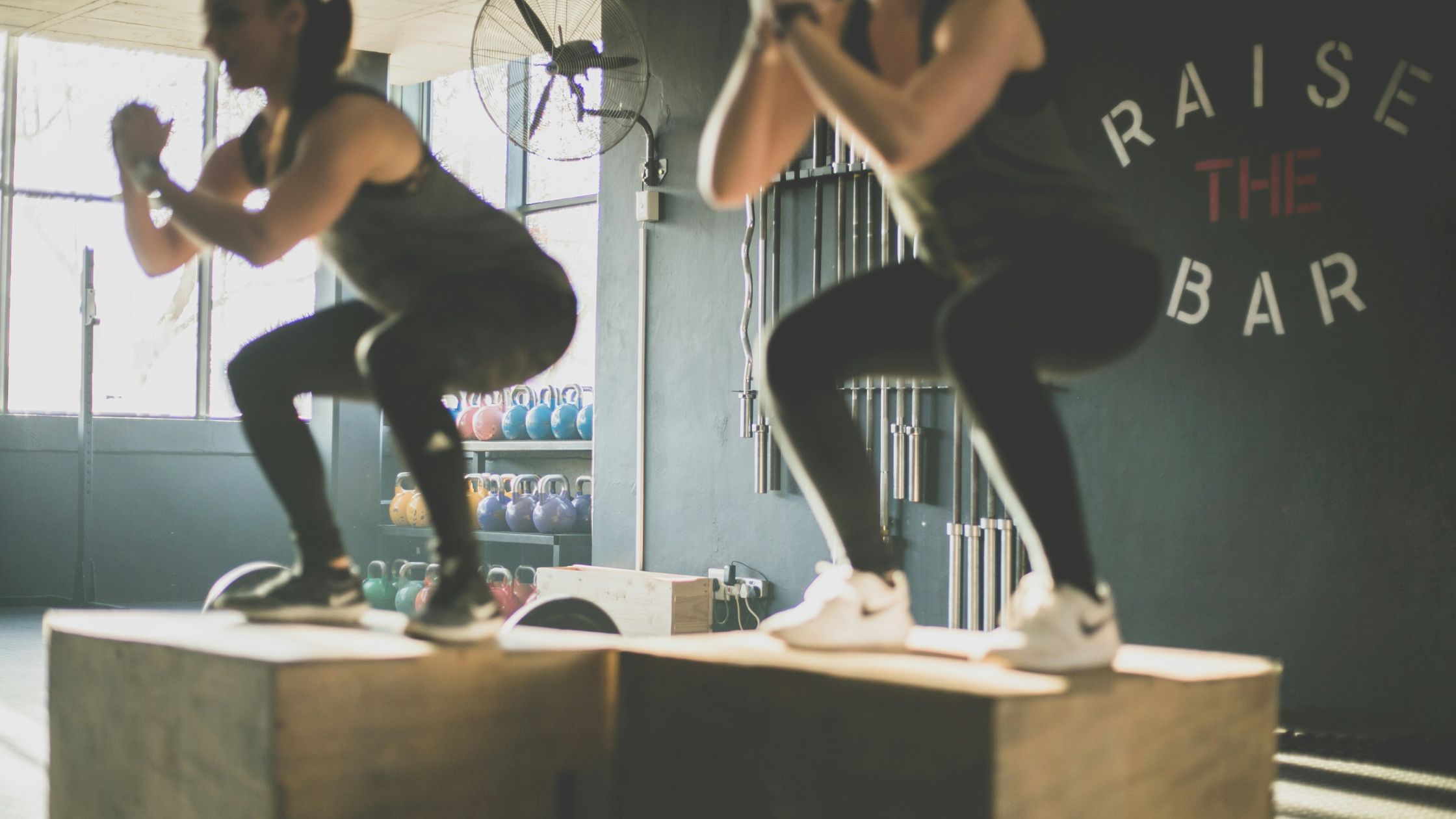
Women doing box jumps together
Having a friend to exercise with might be the best confidence-booster. Photo by Meghan Holmes on Unsplash

Not only do you have a friend going through it all at the same time but they can also help you get out of the house to go for a workout on those days you just don’t feel like it. An accountability buddy can also help you stick to your nutrition plan as much as the workout plan. This relationship becomes beneficial for both of you when it is your friend who needs some help.

Plan your workouts

When you’re in the gym and you don’t have a plan, you can start feeling self-conscious about what you need to do next. Feeling lost without a program not only makes you feel this way, but it’s also going to hinder progress.

In the digital age, there are countless apps and resources to find programs to train at home, minimalist gym equipment programs, or full-strength and muscle-building routines for when you start feeling more comfortable. If you’re getting even more confident in investing more time and money, a personal trainer can help you build a program specific to your goals and needs. Your new personal trainer can be in-person or online thanks to technology.

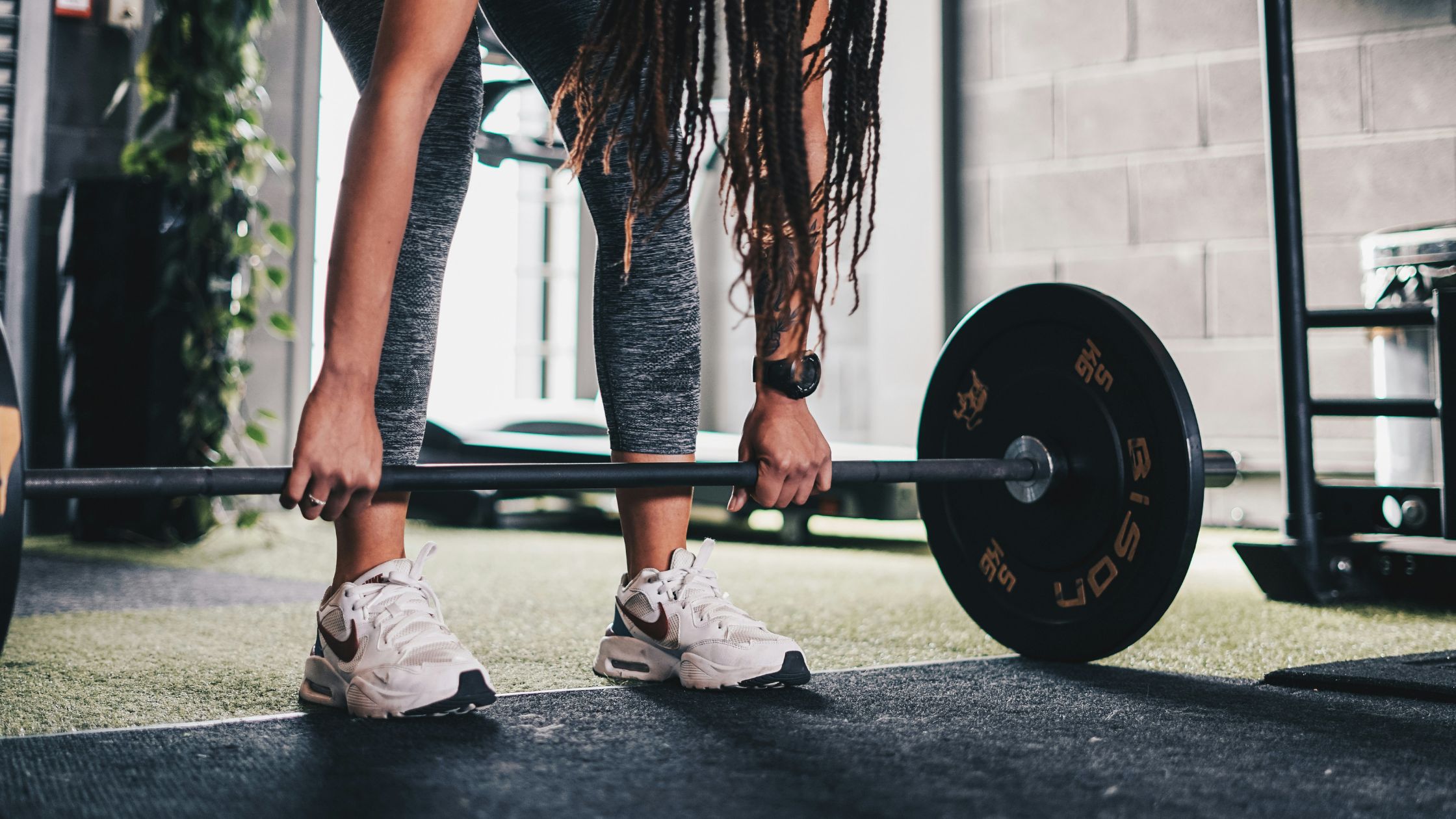
woman holding barbell with plates loaded while wearing fitness watch
Planning and tracking workouts can help you progress and feel more confident. Photo by Ambitious Studio* – Rick Barrett on Unsplash

These apps and videos can help you improve your form or help you learn about new equipment and exercises so that you don’t feel lost anymore.

Having a program can help you focus more on yourself and your self-confidence while also helping you make real progress which ends up helping with your confidence even more.

Headphones and tunes!

Music has a way of helping us get into the zone. Whether that’s to relax or feel confident in the gym.

When you’ve found or made a playlist of your favourite music, you can focus on it rather than what’s going on around you. Music helps you live in your own world, drowns out the rest, and can help you feel more confident. And if you get into the zone so much that you “bust a move” between sets, more power to you!

Don’t be afraid to ask for help

Almost everybody at the gym is going through the same thoughts as you. Almost everybody there is just trying to improve themselves and when they’ve been on the journey for a while, are always willing to give you some help.

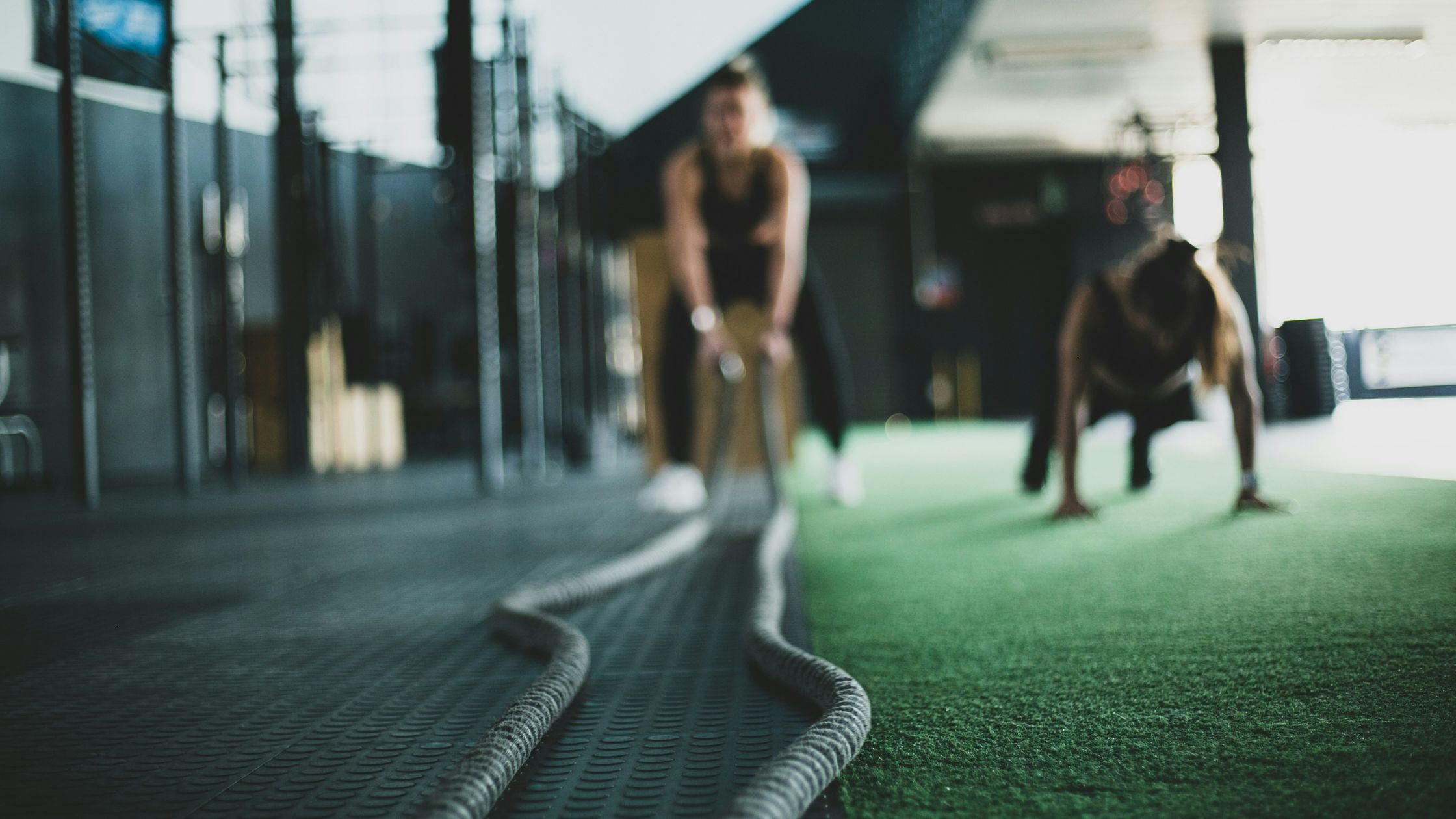
women training together
Asking for help can provide you with knowledge and a lot more confidence in the long-term.

Whether you just want to find a machine, help with an exercise, or talk to a trainer, you’ll almost always find a friendly face who’s willing to help you. You might even find a new gym buddy in the process.

If you’re very shy, start by talking to gym staff and personal trainers. They’re there to help you.

Focus on positive self-talk

When your confidence is low, it can be easy to tell yourself some negative things, but what if you made an effort to turn them into positive statements?

Positive self-talk is a surprisingly powerful tool when you’re exercising. It can help you get out of bed, push yourself to do another rep, or celebrate small wins.

Practice positive self-talk and affirmations:

  • “I am strong, capable, and determined.”
  • “I believe in my ability to push through any challenge.”
  • “My body is powerful and resilient.”
  • “I am getting stronger with every workout.”
  • “I trust my body’s strength and endurance.”
  • “I am focused and committed to reaching my fitness goals.”
  • “Each exercise I do brings me closer to my ideal self.”
  • “I deserve to prioritize my health and wellbeing.”
  • “I embrace the process of growth and improvement.”
  • “I am proud of myself for showing up and putting in the effort.”
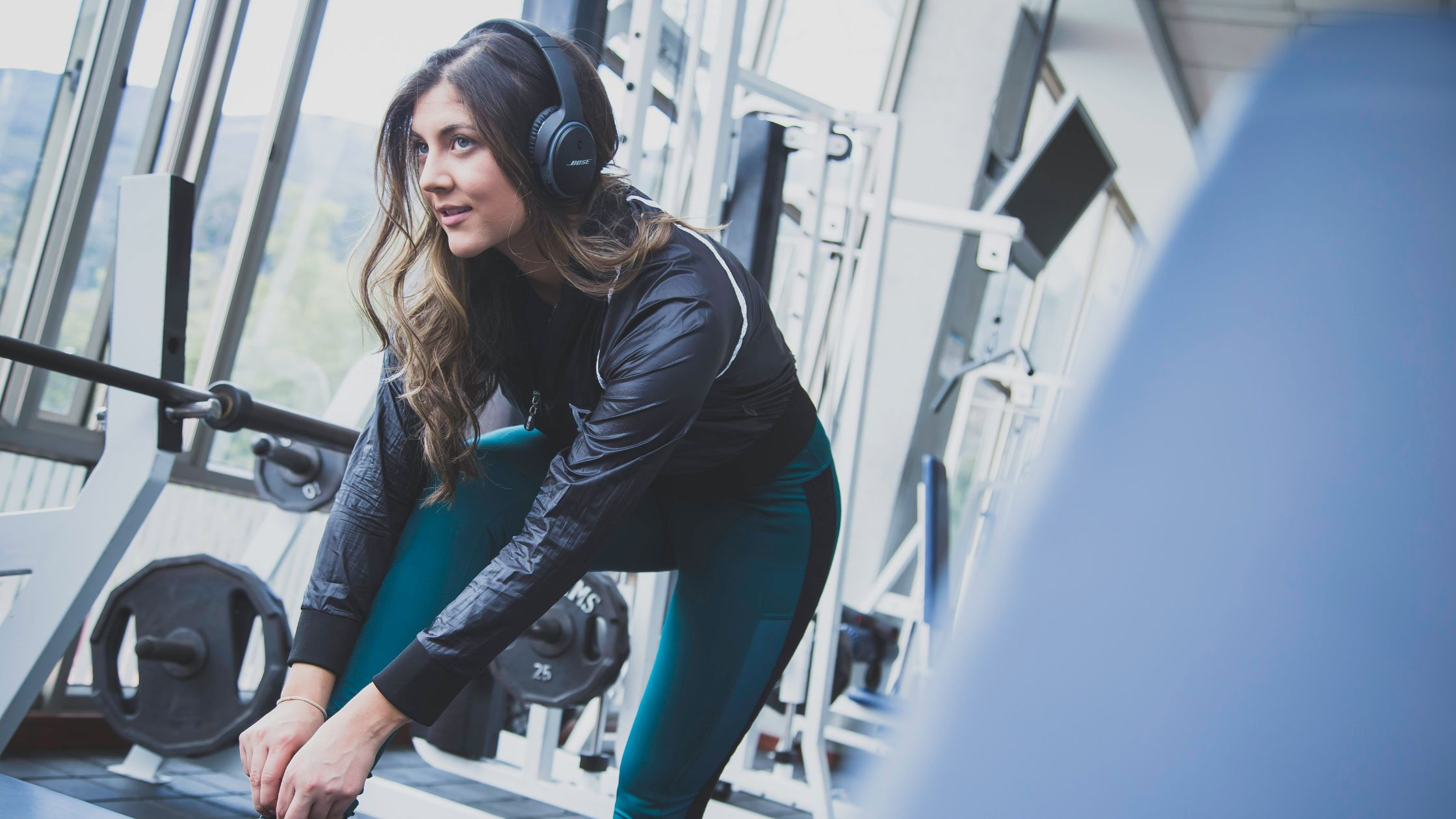
Woman tying running shoes while listening to music
Music not only adds positively to your workouts but provides you with a musical distraction. Photo by juan pablo rodriguez on Unsplash

Everybody had to start somewhere

If you realize that everybody has their journey, you can start focusing on your path and processes. You don’t even need to start in the gym or with structured workouts. You can go on walks, go cycling, join some outdoor training groups, etc.

You can even try all of them to find out what activity suits your personality and goals. If you focus on your goals while doing what you enjoy, you’ll find an ocean of confidence.

This article was written in-collaboration with qualified fitness experts Geek Physique and personal trainer, Sarah Ezzideen. You can find Sarah on Instagram HERE!