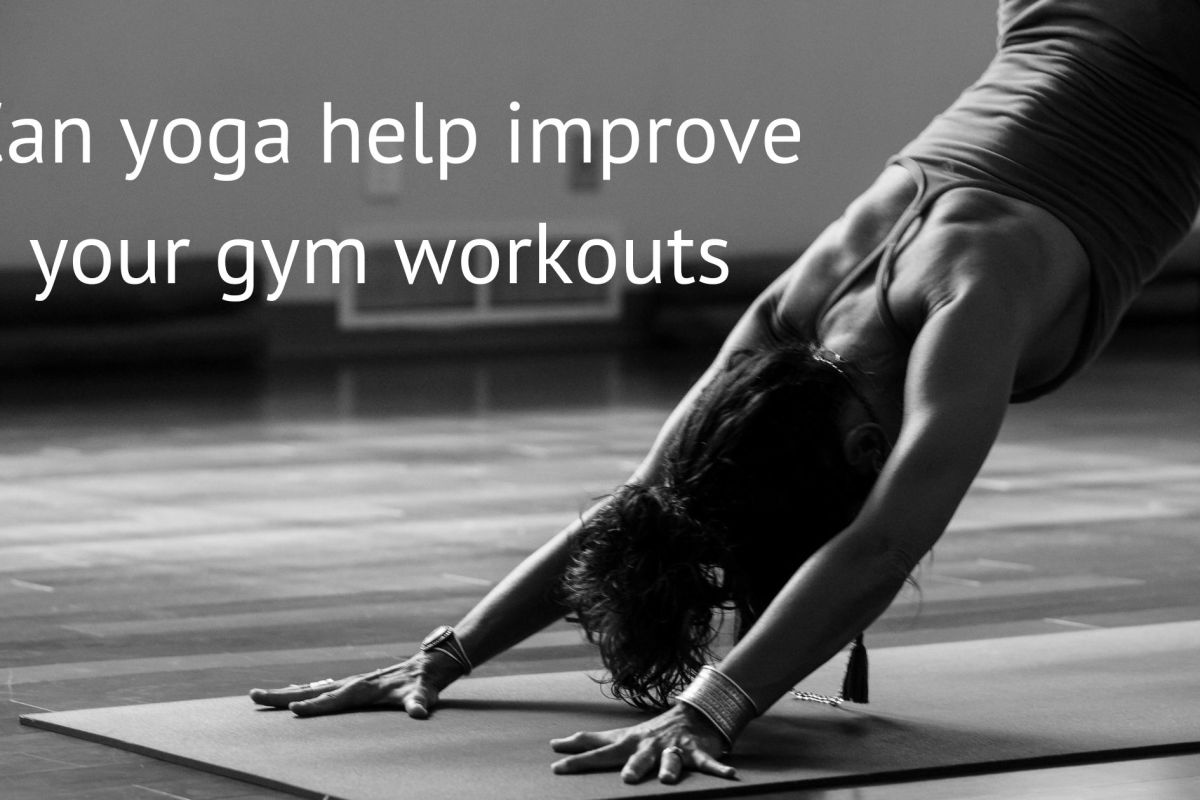
Multiple times a week, we get up and go to the gym, whether a commercial or private gym or in the garage. While some of us like building muscle, others work towards getting stronger. There are also those who like to get flexible and “centred” with yoga. But did you know that you can combine the chilled-out vibes of yoga to improve your weight training?
While yoga focuses on flexibility most of the time, it can also help you become better at lifting weights and building bigger muscles. It’s not just the physical adaptations that benefit from yoga; we have all heard about its mental benefits, too.
Mobility and flexibility
You don’t have to do the splits or touch your forehead to your toes, but some form of mobility and flexibility is always a good idea.
Flexibility is the ability of your muscles, tendons, and ligaments to extend into a wider range of motion, but statically. Mobility refers to your ability to move your body in a broader range of motion, and to be more dynamic. Everybody can be more mobile, especially when doing specific sports, but only some people need to be super flexible. Powerlifters don’t need to squat as low as Olympic lifters, and sprinters should be more mobile than distance runners.
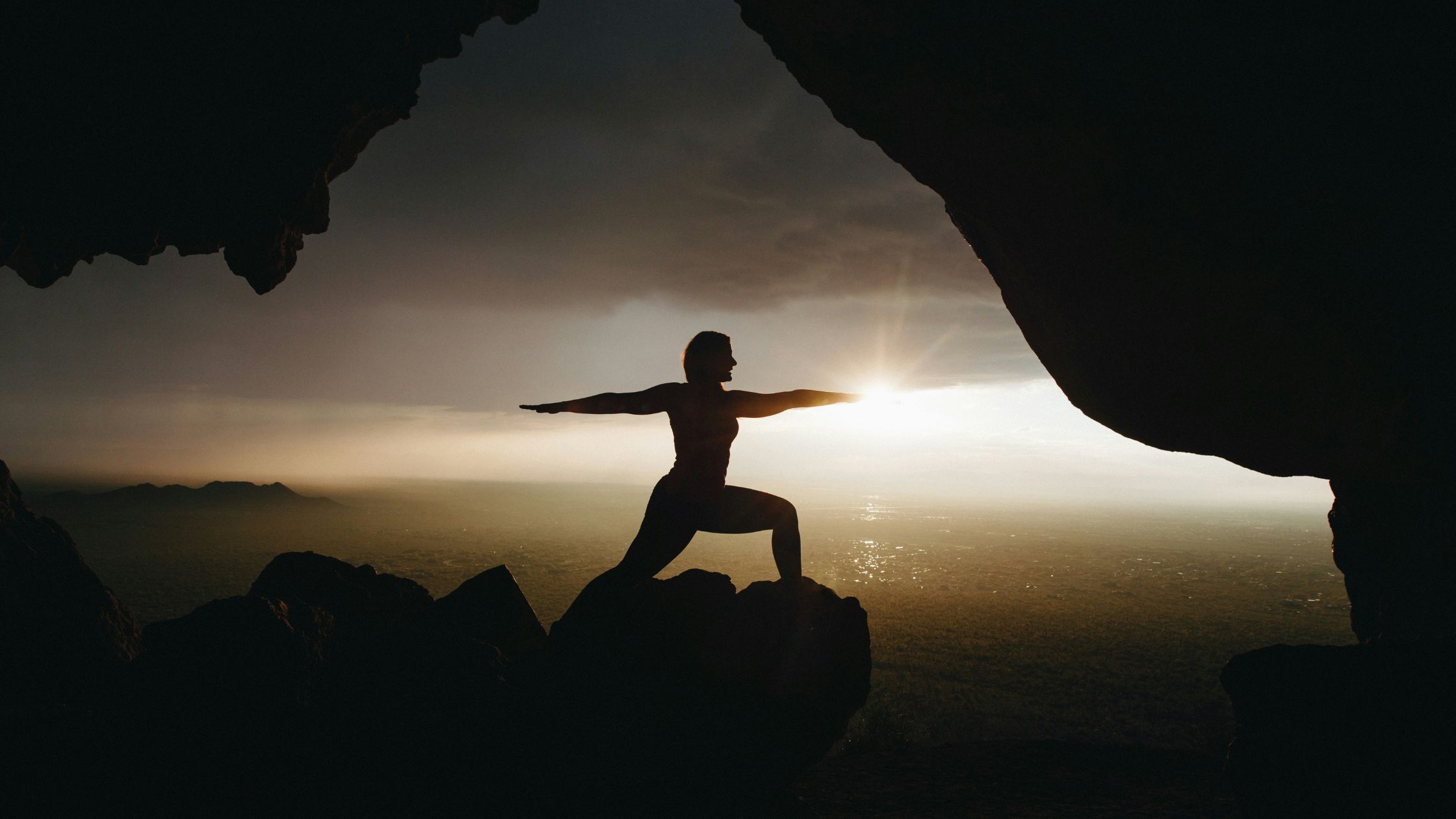
Yoga is often relatively static, but some versions allow you to move and become more mobile in those different poses. You can move from pose to pose before getting into those tricky static positions, but you don’t need to go to extremes with awkward and complicated poses. Find a good yoga routine or class once a week. You can become more mobile, even just a little bit, to improve your lifting range of motion because, in most cases, the muscle growth happens most when it’s in a lengthened position or stretching against an external load, also known as the essentric part of the movement.
Leaning into some mobility work through a yoga class can ensure you can perform better during workouts or competition.
Better breathing for workouts
Breathing keeps us alive, but did you know that the way you breathe during a workout can improve performance? Not only do you want to catch your breath between sets, but you also want to breathe properly while lifting those weights or brace your core before and during a big lift.
Yoga has specific breathing methods that can help you control your breath before, during, and after your workout to maximise your effort and help you recover while you’re not lifting. Suppose you’re lifting heavy weights, being able to breathe with your diaphragm, and holding that to brace is essential for better performance in the set. It’s essential to control all those muscles when you’re busy lifting to keep you safe and performing your best.
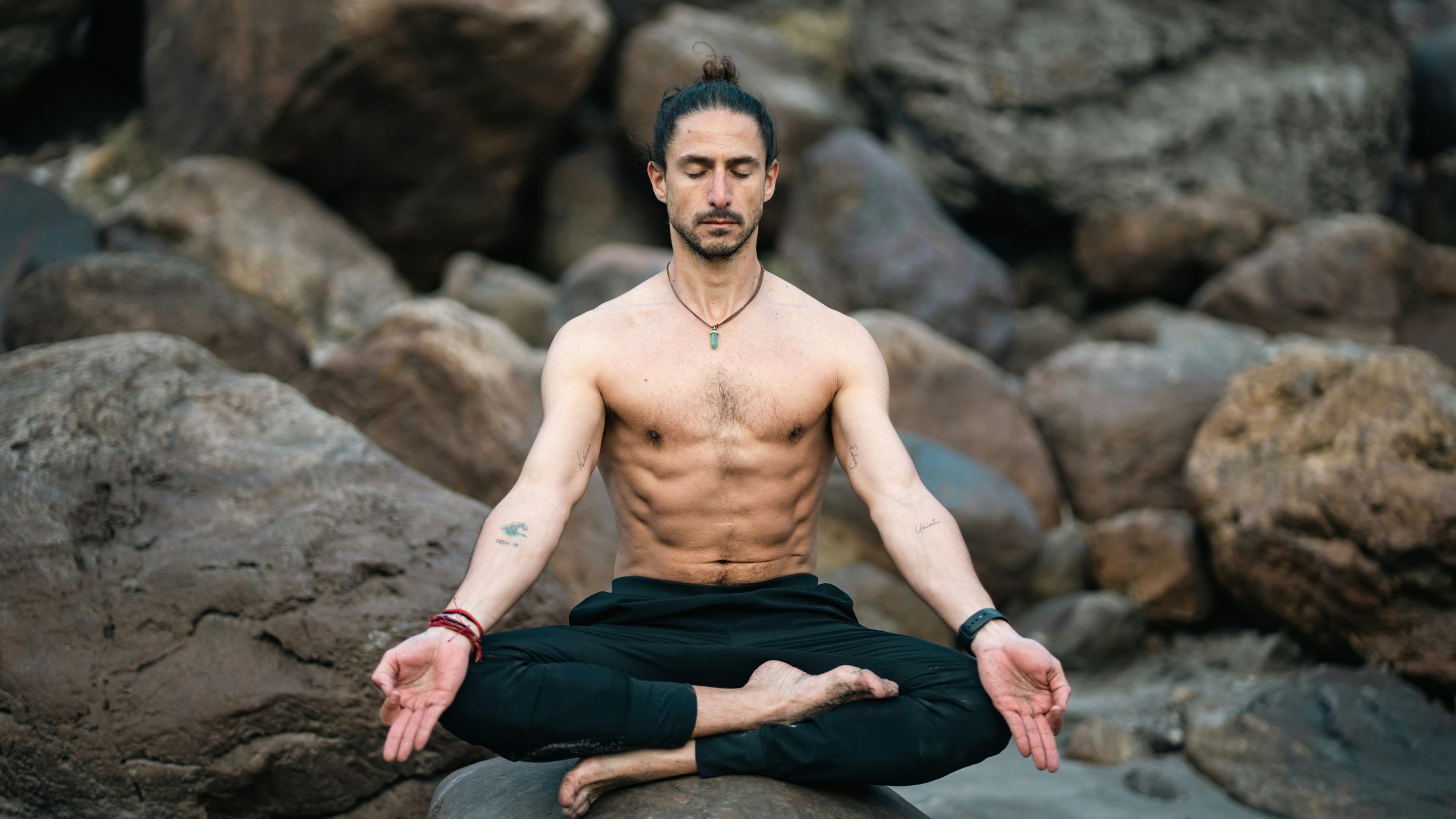
Whether it’s an energising breath to wake you up before lifting, relaxing breaths between sets to lower the heart rate and get oxygen flowing again, or bracing or breathing during reps, yoga can teach you to control your breathing.
Improves focus and body-awareness
Along with the new breathing skills, you learn about focus. You’re not only focusing on your breathing while getting into and holding poses, but you’re learning to focus on yourself without distraction.
Breathing and internalising your focus means you can feel what your body is doing more accurately. You learn to focus on individual muscles and joints and how they operate together, giving you an advantage when training and competing.
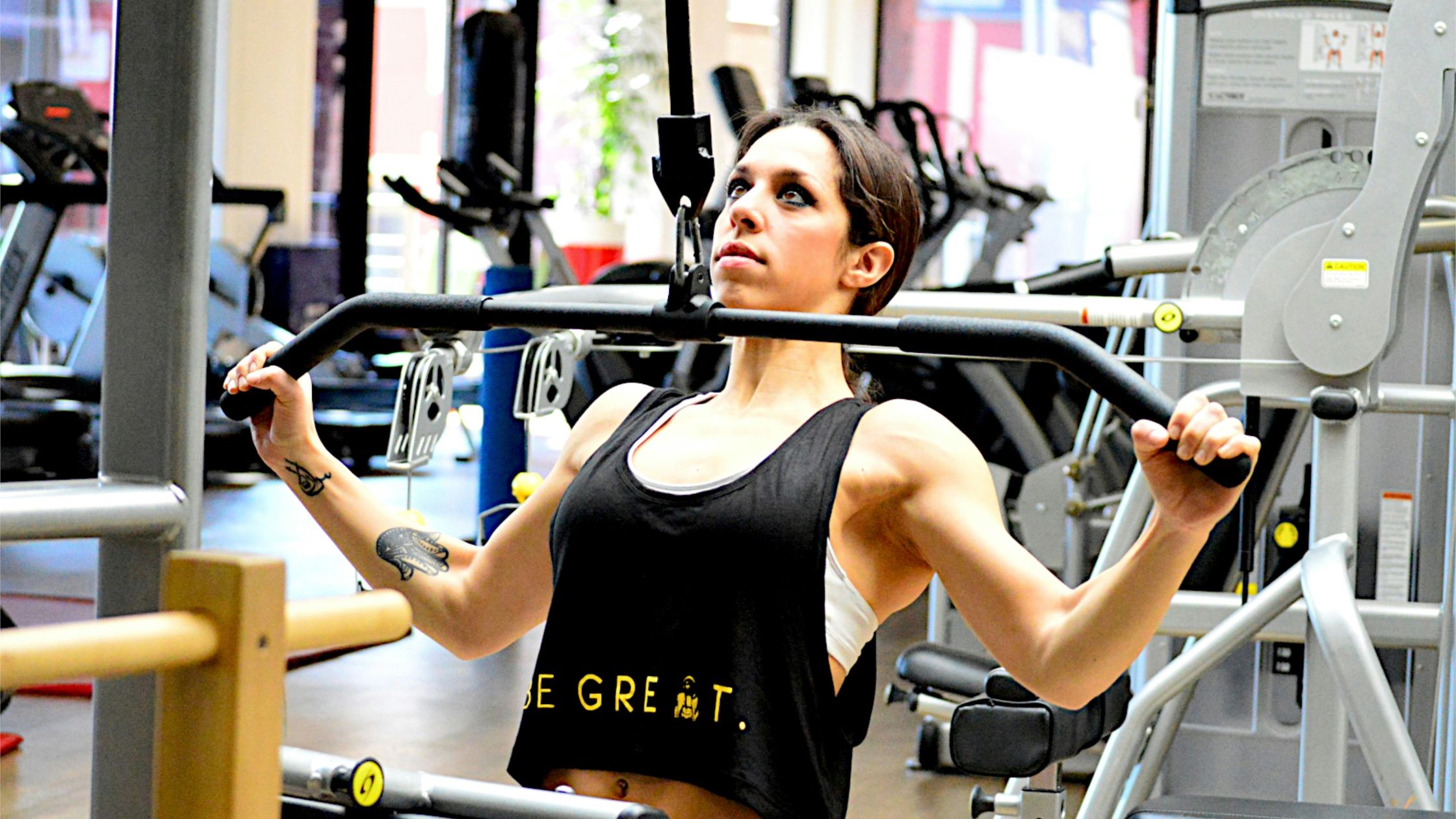
An extension of this internal focus can eventually teach you about the mind-muscle connection you often hear about.
You know when you’re squatting deep enough or discovering an imbalance while running so that you know what to work on in the future. You could even notice potential injuries before they happen.
Stress relief
For some of us. Lifting weights is our stress relief, but you’re still putting your body through its paces and providing it with a stress stimulus.
By joining a relaxed yoga class or doing a routine at home, you can focus on yourself, help loosen tight joints through movement, and relax your mind through breathing.
You get relaxing meditative yoga classes and routines, but if you love lifting weights, you might like to find power yoga classes, which are based on a form called Ashtanga yoga. Where Ashtanga yoga follows a particular routine, power yoga is an off-shoot which uses many of the same intense poses with a more dynamic routine and can be applied to specific patterns you want to work on.
You don’t need to do long yoga sessions or join a class every day, but the occasional routine can teach you about your body and how it can move without putting too much stress on yourself.
 Cyclops Creative