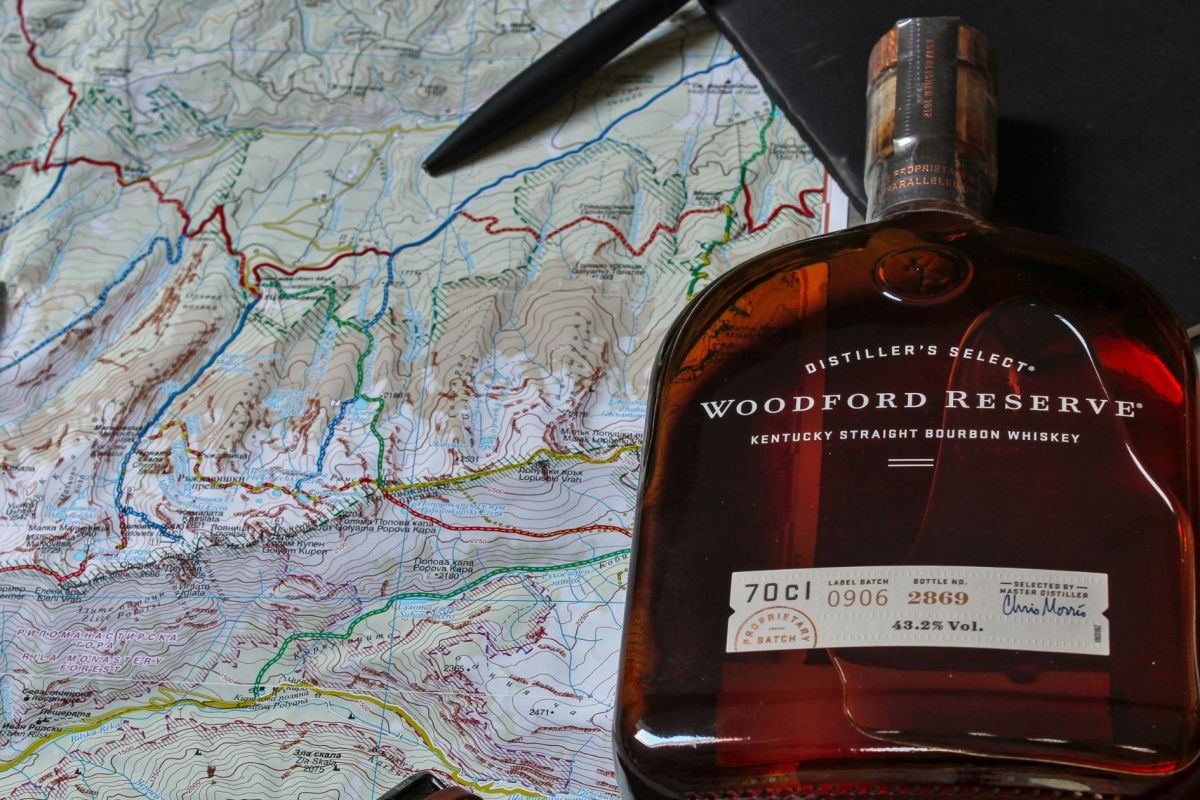
The only time we ever argue about the spelling of whisk(e)y, it’s when we read the labels, but does it matter? Even though both of them are essentially a spirit distilled from a variety of grains, their history is intertwined while their essence is enjoyed by people all over the world.
The Irish spelling of whiskey comes from the Gaelic derivations of the word ‘Uisce beatha’, meaning Water of Life. Due to Irish immigration to America in the 18th century, American ‘whiskey’ is also spelled with an “e”. The rest of the world uses the “whisky” spelling, even when they are made similarly.
But, even though whisk(e)y is made in similar ways with similar grains, each part of the world has its variations and rules.
What do whiskey and whisky have in common?
Even though different countries have their versions of whiskey, they do have other similarities.
- All whiskey has to have a minimum of 40% ABV (alcohol by volume) with some regions having their own rules for the maximum %ABV allowed in the bottle.
- Whiskey is distilled from barley, wheat, corn, and other cereal grains depending on the type. The single-use or combination depends on the specific whiskey or region.
- In many cases, the minimum time a whiskey is allowed to mature in a barrel is 3 years before it can be called whisk(e)y.
Irish whiskey
Irish whiskey is very popular around the world as one of the original producers. It’s often experienced as “smoother” than Scottish whisky but is also known as a gateway to bourbon as ex-bourbon casks are often used for maturation.
- Irish whiskey is usually distilled in pot stills and attributes its “smoothness” to the fact that they’re often distilled three times instead of the usual two.
- Whiskey in Ireland has a minimum maturation age of three years in a barrel.
- Irish whiskey may contain a distillate of malt, a barley distillate, and a portion of grain spirit.
- Irish whiskey is rarely peated with some small exceptions in the growing industry.
Scottish (Scotch) whisky
Scotch whisky might be one of the world’s most famous producers with the distribution of its wide range of whiskies shared all over the world. It’s also the world’s best-marketed whisky too.
- Scottish whisky needs to be distilled, matured, and bottled in Scotland, (to which only whole grains of other cereals may be added) with the addition of only yeast and water.
- Maturation needs to happen in oak casks for a minimum of 3 years.
- Single malt Scotch whisky must be made from 100% malted barley.
Bourbon
Probably the most popular style of whiskey made in the United States of America, bourbon is very well known for its sweetness. Due to the use of new oak barrels that have been charred, bourbon often has a distinctive oaky flavor too.
- Bourbon originated in Bourbon Kentucky and is made from a minimum of 51% corn with rye and malted barley.
- Distillation of bourbon usually takes place in a column still and then a pot still.
- Straight bourbon is aged for a minimum of 2 years in new charred oak barrels while Bottle-in-Bond bourbon needs to mature for at least 4 years.
- Bourbon also has its sub-categories with high-rye and wheated bourbon being two of the most popular variations.
- Tennessee whiskey is made in the same way as bourbon, but it is charcoal mellowed before maturation
Rye whiskey
Rye is made in a very similar way to bourbon with just a few differences.
- Rye whiskey is often experienced as “spicier” than bourbon even when it’s made in a very similar way.
- Rye Whiskey is made from a minimum of 51% rye grain with the other cereals taking more of an accented seat to round out the flavours.
The USA whiskey industry is in a resurgence with craft whiskies becoming more popular and even American Single Malt growing in popularity. You might find that your favourite distilleries and brands now have single malt as part of their core range.
South African whisky
Even though the South African whisky industry is still very small, distilleries are popping up everywhere, with the Western Cape Province still having the lion’s share. South African whisky is also made in a similar style to Scottish whisky.
South African whisky is often made using locally sourced maize with malted barley being used for special editions or as an accent to the mash.
I’ve also written a piece on the reason why South Africans tend to drink blended whisky instead of single malt.
Due to the climate, South African whisky is aged for a minimum of 3 years but also gets more intense barrel impact due to the climate. This means that bottles matured as little as 5-6 years are often part of the core range.
Whether you call it whiskey or whisky, these spirits have many things in common with a few rules that govern how they are made. However, there are no rules about how you can drink your whiskey, as long as you enjoy it with a sense of adventure and a smile on your face.
 Cyclops Creative
2 thoughts on “Whisky or Whiskey: Are you spelling it correctly?”