
We’ve all been in the same spot at one time in our lives; that moment you realise that you want to change your life, and often it’s getting a bit fitter, losing weight or sometimes even signing up for something like a marathon. But we often say that we don’t have the motivation to train, however, it’s more about self-discipline instead.
Why are we making the distinction between motivation and self-discipline?
Motivation is the reason you’re signing up for the gym, race and/or training program. Self-discipline is your ability to continuously do something regardless of how you feel.
For most people it can be very difficult to stay consistent with what motivated them and the one thing that keeps us going to the gym, running club or studio on a weekly or daily basis is self-discipline.
So, how do you turn that original motivation into self-discipline? Here are some strategies you can use:
Turn motivation into discipline
What’s your “why”? (and write it down)
Why do you want to make a change?
There are two versions of this, especially if it comes to weight-loss or living a healthier lifestyle.
The first is that moment you’re seeing yourself in the mirror and realising you want to feel more confident. For some dads, it’s the moment they realise that they’re becoming a father and want to be more active with the kids and family. These personal reasons can be a very strong motivator to help work towards your goals and then it’s down to discipline to continue.
The tougher version of this is when that motivation comes from outside, like somebody telling you to lose some weight, even if it’s a doctor but it can hurt a bit more from somebody close to you.
Most of us react defensively to this outside source of criticism and those negative feelings can push us even further away from making healthier changes. But, you can still turn it into something positive if you find your internal reason and turn it into a positive future.
What’s going to stand in your way
How many temptations do you think you resist every day?
It can be very hard to know this from the start because we often react on a whim. However, you can watch your behaviour and start to discover these temptations, and then start to develop the self-awareness and self-discipline to combat them.

As an example, use your shopping trip to the supermarket. Try and realise which aisles you spend more time in and what you’re grabbing from the shelf without thinking about it. Your self-awareness will realise that it might be the sweets or high-fat foods. You can then write it down and help yourself not to choose these options and instead find healthier snacks.
The same goes for the snooze button in the morning or endless scrolling on social media.
Try and discover your temptations, then write down how you’re going to combat it or replace it with a healthier habit.
Write down your goals

Now that you’ve got your reasons for making healthier choices, discovered your temptations and know how you want to counteract them, it’s time to write down what you want to achieve.
You should try and keep your goals achievable, but challenging, but dividing them up into categories helps with this application.
Short-term goals: These can be as little as daily or weekly goals, up-to a month. e.g. having a workout two or three times a week, losing that tiny bit of weight or just skipping “that” aisle in the supermarket.
Medium-term goals: These goals can be for the next 3 months or so, which are often personal trainer or gym packages for a reason. This amount of time gives you the perfect opportunity to reach more significant goals which can then become a new healthier habit. This is when discipline will truly start showing its results.
Long term goal: This will be that initial weight-loss goal you set yourself or life goal that you want to achieve. It goes right at the top of the list, but each of your short- and medium-term goals will build up to this one.
When you don’t write down your goals, they’re only a dream.
Embrace discomfort
Changing your lifestyle and habits is never easy. It’s called getting out of your comfort zone for a reason and self-discipline is strengthened through embracing it. That willpower is something you can actually work on.
By viewing self-discipline as an unlimited resource, participants were able to exercise the same degree of willpower after a depleting task as before it, demonstrating the impact our beliefs can have on our actions (Job et al., 2013).
You can do the same by NOT viewing self-control as a depletable resource might give us some of the motivation we need to overcome these hurdles, and our ego.

Build new habits
“The key to building lasting habits is focusing on creating a new identity first.” – by James Clear Goal setting, Habits and Self-improvement
You want to start with your goals and making them nice and specific so that you have a map of where to go. Now, you need the process of how you’re going to achieve these outcomes, like going to the gym or not ordering high-calorie junk food to lose those kilos on your goal board.
Finally, you want to change your world view and beliefs in what you’re doing and why. With this new identity, you want to become that person who makes healthier choices, walks more or writes a certain amount of pages a day.
Your process will help you reach your new identity, like adding steps to each daily walk or writing 100 extra words per day.
You want to become the person that reaches these goals instead of it just being something you do.
Use Technology
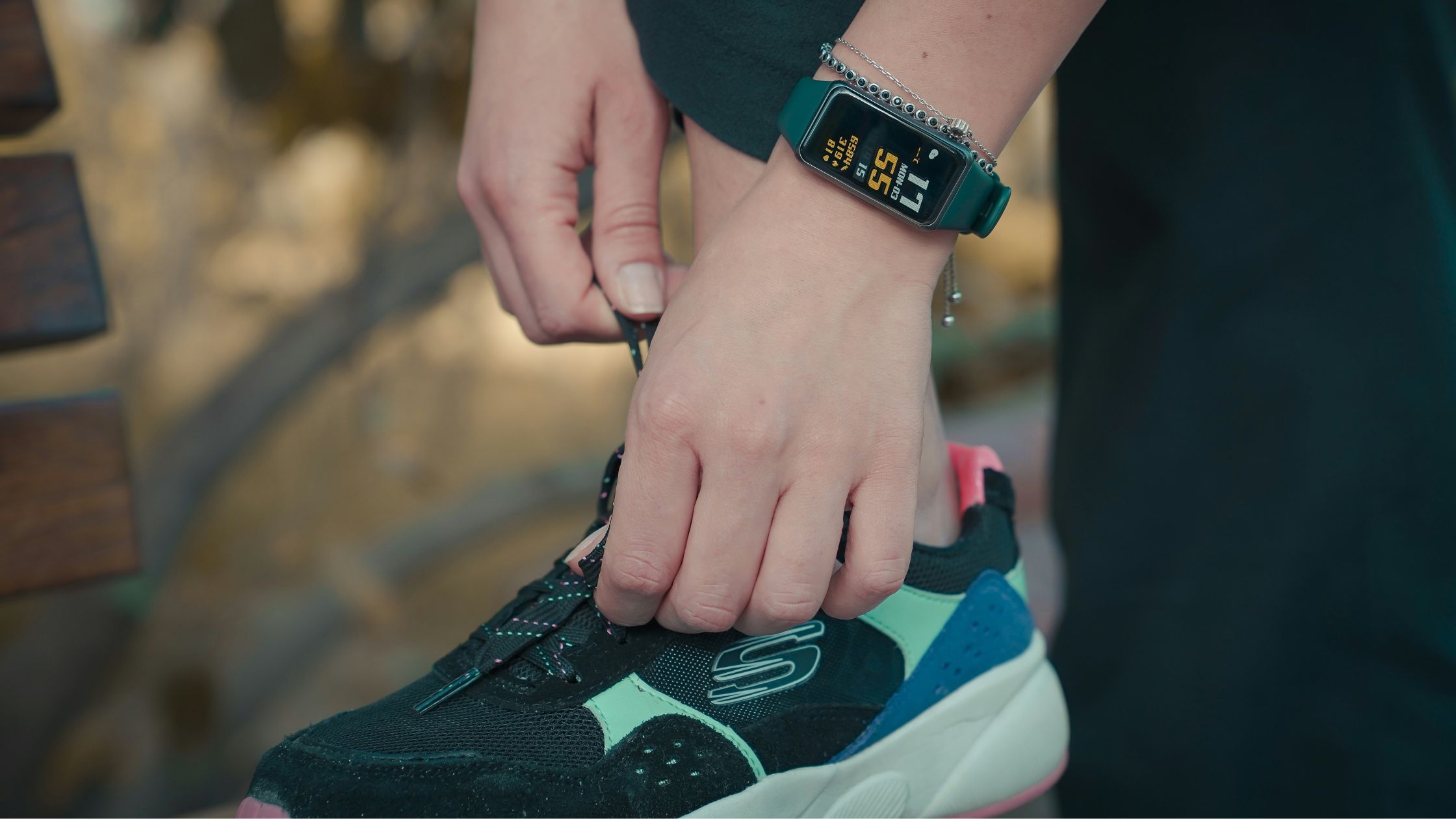
In a world full of technological advances, we often feel disconnected and want to unplug, but technology can help you keep track of your progress and goals.
You have loads of fitness apps to track workouts, hire coaches and even get free workouts or walk trackers. You have apps that help you track your food and water intake too, linking to the fitness app if they don’t do both.
There are even goal setting apps that just help you write down your goals or track your habits.
Embrace technology, because you’re well-being is literally at your fingertips.
Learn to forgive yourself
Changing your habits and identity to make better choices is tough, especially with so many distractions, like festive season feasting. But, that doesn’t mean that you can’t enjoy it with everybody.
You need to learn to forgive yourself instead of feeling guilty and punishing slips in judgement or indulgence like those sweet treats over the holidays.
A good example is that when you’ve had your day of Christmas feasting, remind yourself that it’s just been a day and continue with your healthy path on the next. Don’t starve yourself or try and “work it off” but continue the good habits you’ve worked so hard on.
Getting motivated is easy while building discipline is the hard part, but it doesn’t need to be. Using these tips, you can become more self-disciplined and reach all of your goals.
Sources:
- 17 Self-Discipline Exercises to Help Build Self-Control on 7 Feb 2020 by Catherine Moore, Psychologist, MBA
- Job, V., Walton, G. M., Bernecker, K., & Dweck, C. S. (2013). Beliefs about willpower determine the impact of glucose on self-control. Proceedings of the National Academy of Sciences of the United States of America, 110(37), 14837–14842.
- Identity-Based Habits: How to Actually Stick to Your Goals This Year by James Clear Goal setting, Habits and Self-improvement
 Cyclops Creative