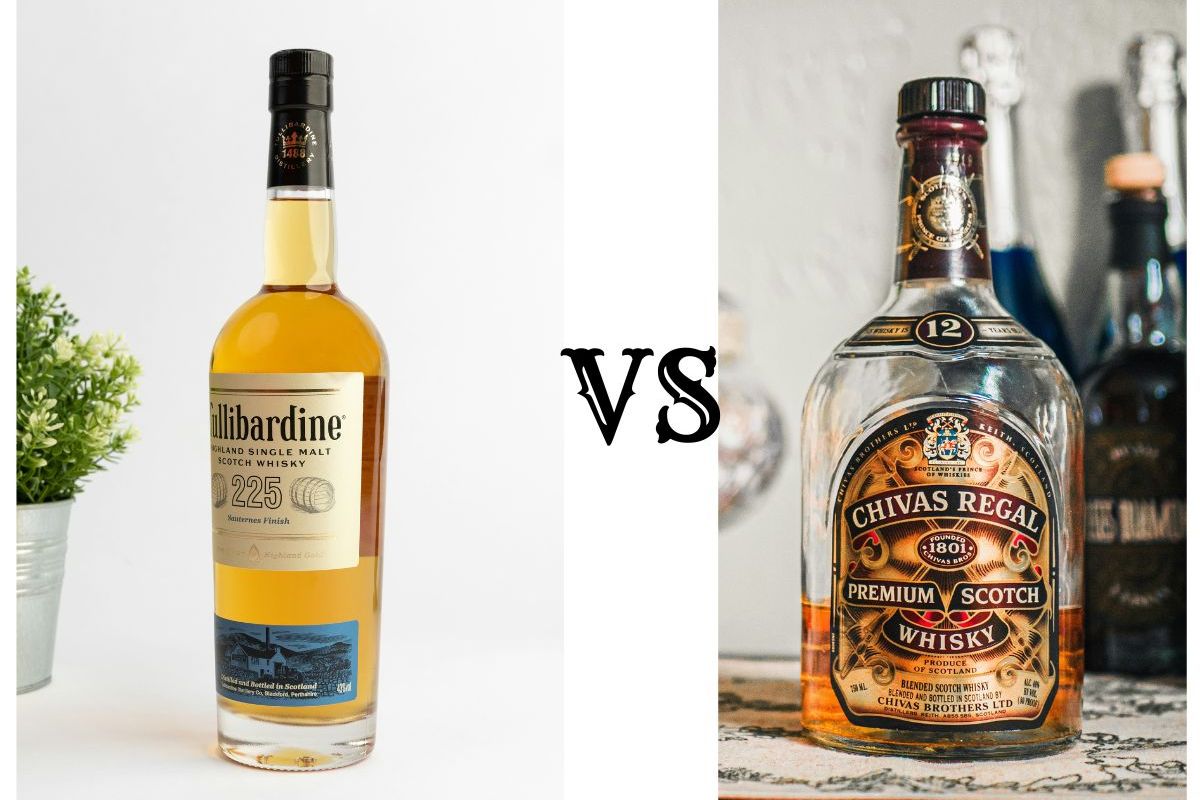
While South Africa is known for beverages like beer and gin, we’re also experiencing a whisky boom, which is introducing more people to the historic spirit, whether just drinking it or distilling their own. However, it’s still not the most accessible drink, and price is often the barrier people can’t overcome.
Even though South Africa has famous local distilleries, Scottish whisky is the next popular option. Why do South Africans often prefer blended Scotch like J&B, Famous Grouse and Johnny Walker over single malts whiskeys like Glenfiddich and Glenlivet?
It could come down to cost, as blended Scotch is often cheaper, but why is that the case?
What does single malt mean?
A single malt doesn’t mean the whiskey only comes from one batch of spirits; it comes from a single distillery. Many of your favourite single malts are blended by an in-house blender from various barrels with different ages and often barrel types, but they are still all made at that distillery. The blender is highly skilled at tasting and blending to provide you with the best bottle possible, keeping a consistent flavour profile throughout the range and creating new ones. The “malt” refers to the malted barley used in the mash to make the whisky.
Single-grain whisky contains barley and one or more other cereal grains, usually wheat or corn. Single grain is, like single malt, is still made at a single distillery for your enjoyment.
What is blended Scotch?
Blended whisky still uses skilled blenders to source, taste and combine whisky barrels from various distilleries to create a specific flavour profile. It can often combine different grains like malt and wheat, specific barrel finishes from other distilleries, or even be as simple as combining different malts. There are thousands of barrels and whisky variations to blend so that a brander can provide you with consistent bottling for years or create something new for a particular release.
Brands like Johnny Walker usually focuses on creating the same range repeatedly with some special releases, whereas Compass Box has a wide range of different styles and keeps experimenting with new combinations more regularly.
However, the question remains why South Africans often reach for the blends rather than single malts.
Blends over Single malt?
Because single malts are made at the distillery, stored and perfected in one place, the production costs are much higher, which often means that the whisky will be more expensive.
Conversely, blends are sourced from two or more distilleries and blended, reducing costs as it’s not produced there.
Even though these blends can be from brands you expect to be more expensive, blends will often provide you with a blender’s years of perfecting their skills so that you can have something delicious in the glass.
That doesn’t mean all blends are on the bottom shelf. As whisky becomes more mainstream and experimental, the best blenders can create incredible expressions that can be higher in flavour profiles and price than many single malts.
Why do South Africans pick blends?
South Africa is hot, so we often reach for more refreshing drinks. Locals enjoy having whisky over ice or with a mixer to stay refreshed. Because the whisky is usually mixed instead of enjoyed neat, reaching for the cheaper blended option ensures you can enjoy it with a mixer without feeling like you’re sullying the more expensive single malts you save for special occasions.
Whether you drink your whisky neat, on the rocks, or in your version of a cocktail, the style doesn’t matter. If you feel that it complements the flavours for your specific palate, you’re going to have a good time.
 Cyclops Creative
3 thoughts on “Why do South Africans choose blended over single malt Scotch?”